Folkestones Cinema Organs
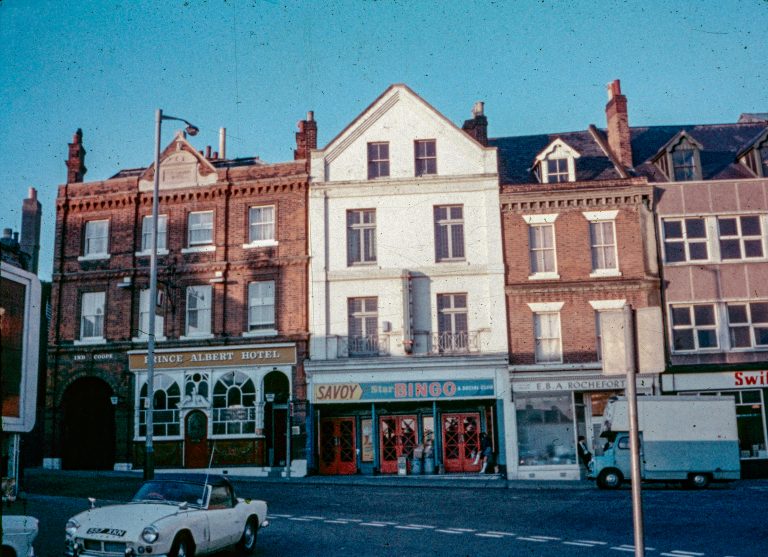
Savoy Cinema
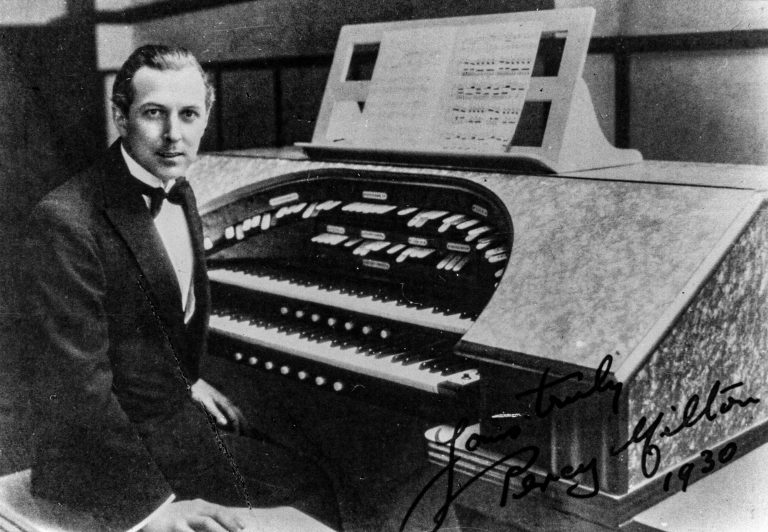
Opened: 20th June 1929 by Percy Milton
Manufacturer: Standaart
Size: 2 Manuals, 7 Ranks
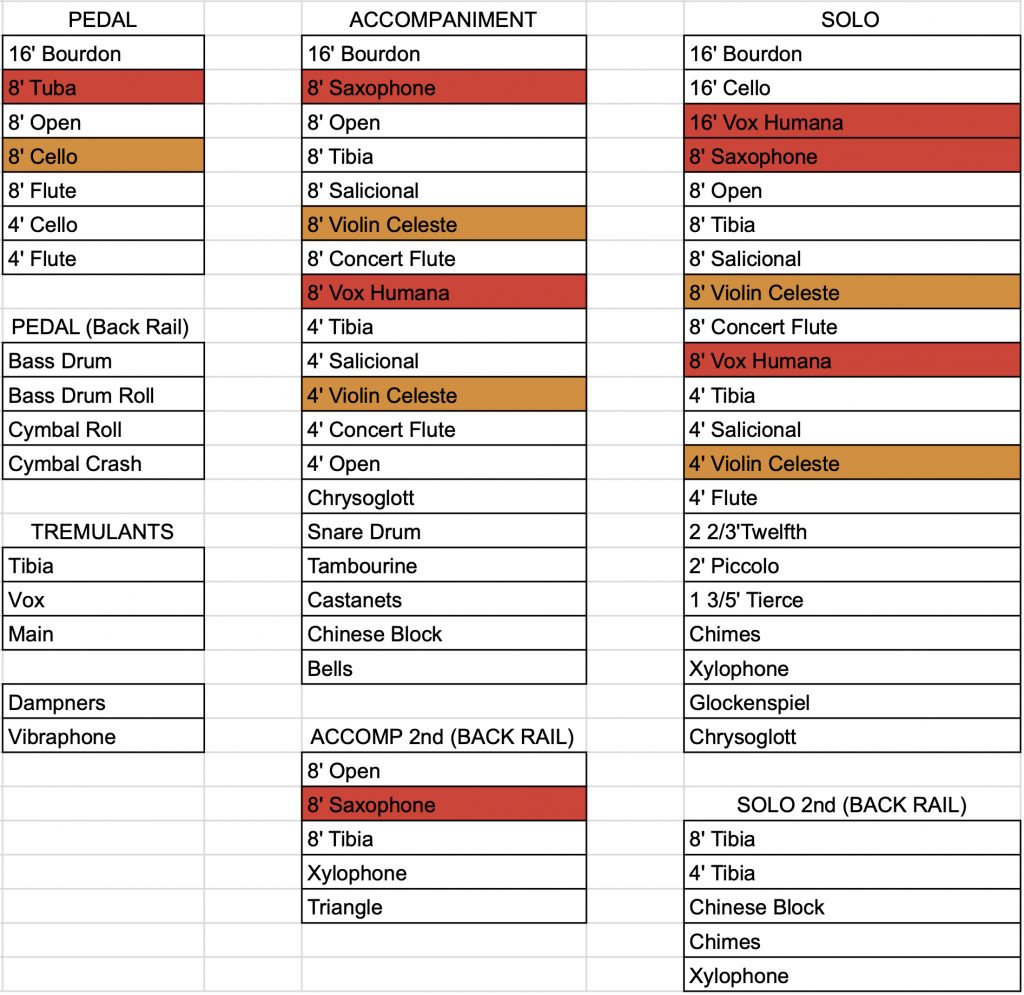
Ranks: Saxophone, Diapason, Tibia, Salicional, Violin Celeste, Flute, Vox Humana
History
The organ at the Savoy was one of only 6 Standaart organs imported to the UK.
1929: The organ was opened on 20th June by Percy Milton
1933: A considerable amount of money was spent on the organ, including refinements to the pedalboard and a glass surround was added being manufactured locally.
1945: May 1st. A freak whirlwind tore part of the cinemas roof off leaving the organ chamber exposed to the elements. this had a disastrous effect on the blower & motor, as well as the wooden flute where the water had caused the glue to dissolve meaning the pipes were turned to a pile of wood.
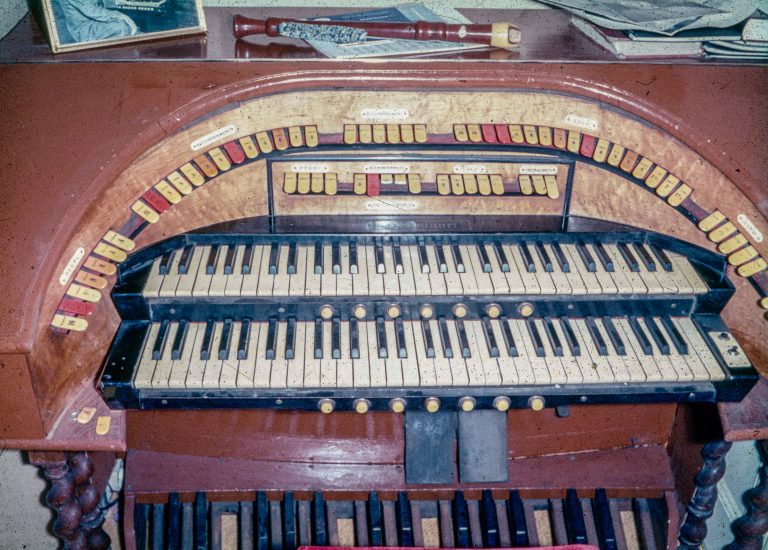
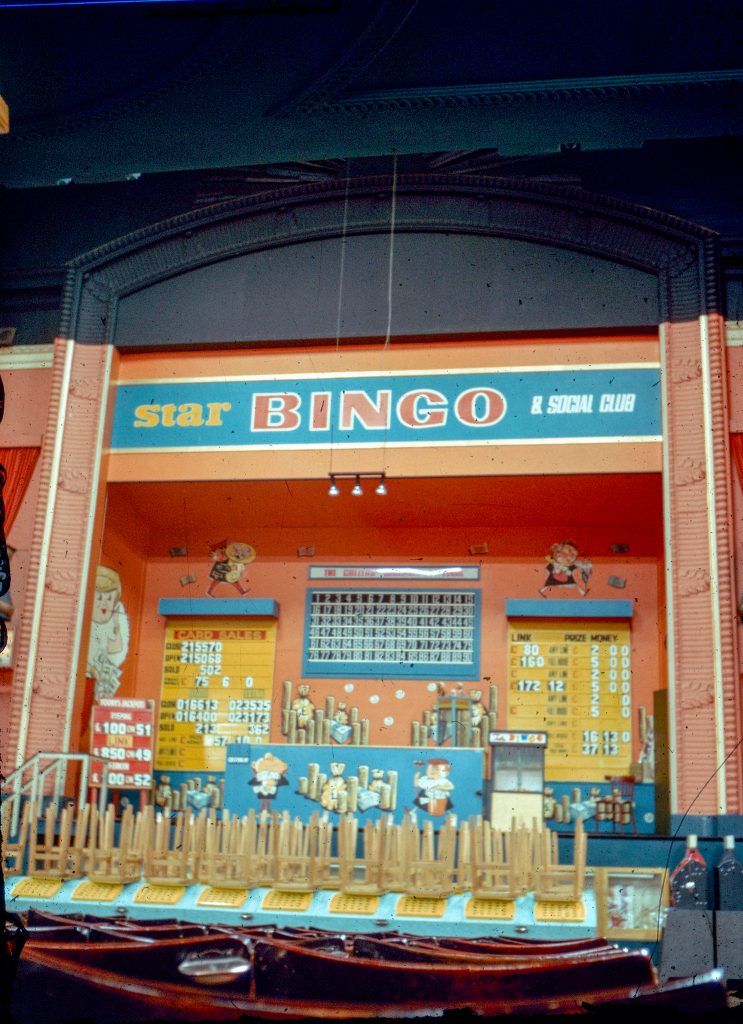
1963: The building was converted to Bingo. Ricky hart was given permission to remove the organ in full, although not everything was taken. One thing that was left was the Console as it used to support the new stage.
c1966: American Paul Gladson made a bigger financial offer to the building owners to remove the console and the remaining part of the organ.
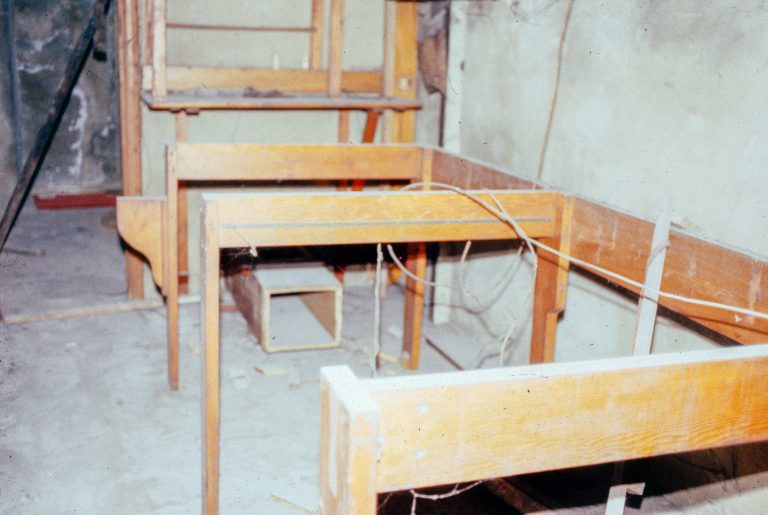
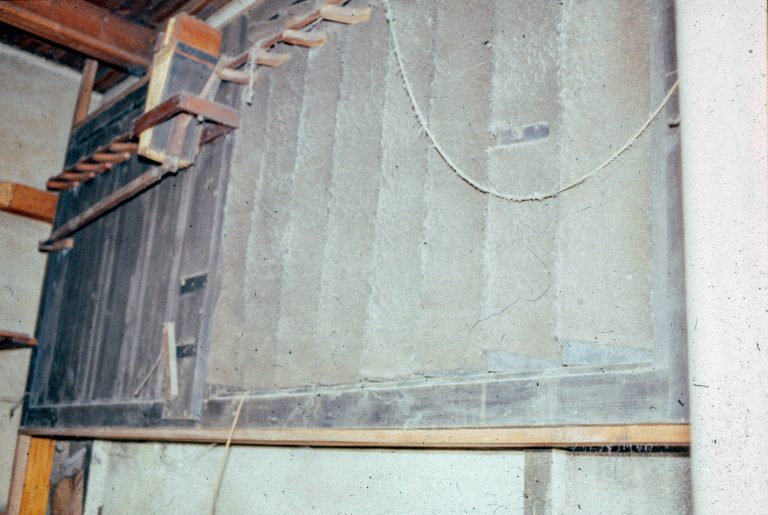
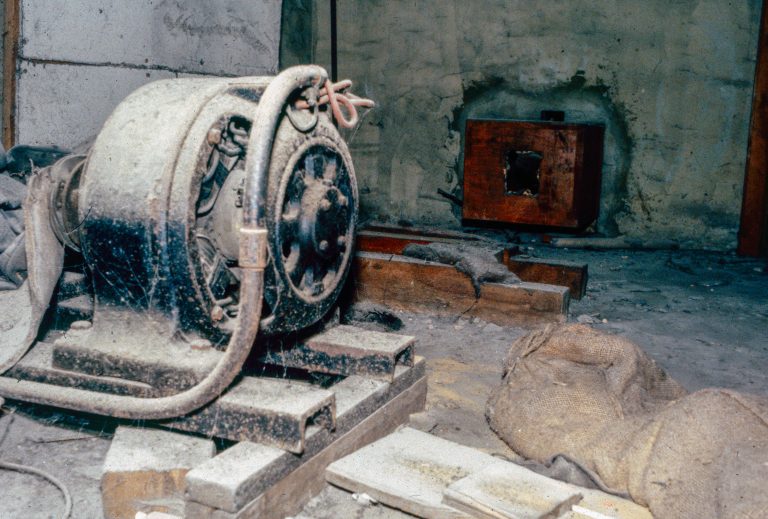
1978: Ricky Hart returned to remove the blower from the organ. All that remained was the shutters, original blower motor/starter and the chest framework.
1987: Bingo ceased.
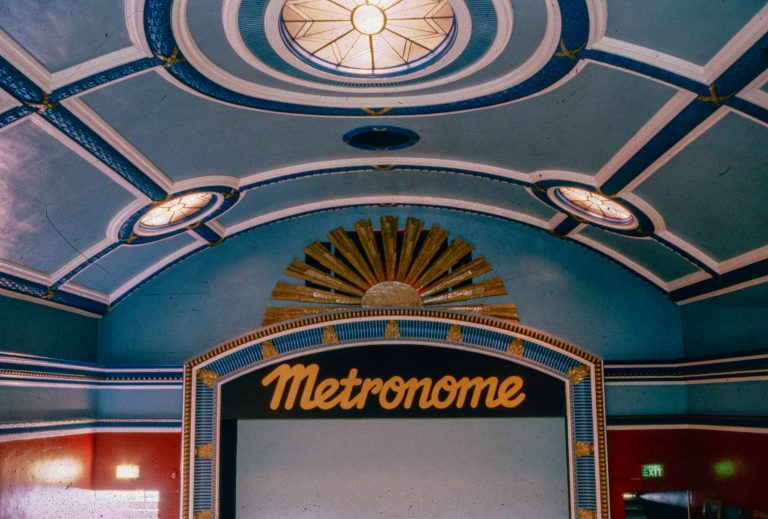
1991-c2002: The Building was converted to a night-club called “Metronome”.
Present: The front part of the building has been converted to flats, while the interior was completely gutted and lies empty.
Personalities
Percy Milton – Opening
Reginald Cross – May 1931 – August 1932
Reginald Foort – May 1934
G.T Pattman – June 1934
Frank Newman – July 1934
Elaine Blair (USA) – October 1934
Edward O’Henry – May 1941
Technical
Pipework & Percussions
Saxophone: Made of Copper with a capped tops more akin to a French Horn. 8ft Reed.
Diapason: Referred to as Prestant. 8ft octave constructed of wood.
Tibia: Wooden. 8ft Upwards. 10″ wind pressure.
Salicional: 8ft octave constructed of wood which was referred to as Gamba.
Violin Celeste: 4ft upwards.
Flute: Wooden: The only rank to extend down too 16ft.
Vox Humana: Large scale, similar to Wurlitzer in construction. 6″ wind pressure.
42 note Vibraphone installed unenclosed. 37 note Xylophone & Glockenspiel. 20 note Chimes.
Blower built by Meidinger & Co Basal, Switzerland – designed by Addicks of Nijmegen. Motor by Crompton.
Notes: It’s not clear what happened to the Violin Celeste or why only the top part of the Salicional survives, it’s possible these were damaged while in situ. The Saxophone is apparently on a Mechanical Organ.
Specification
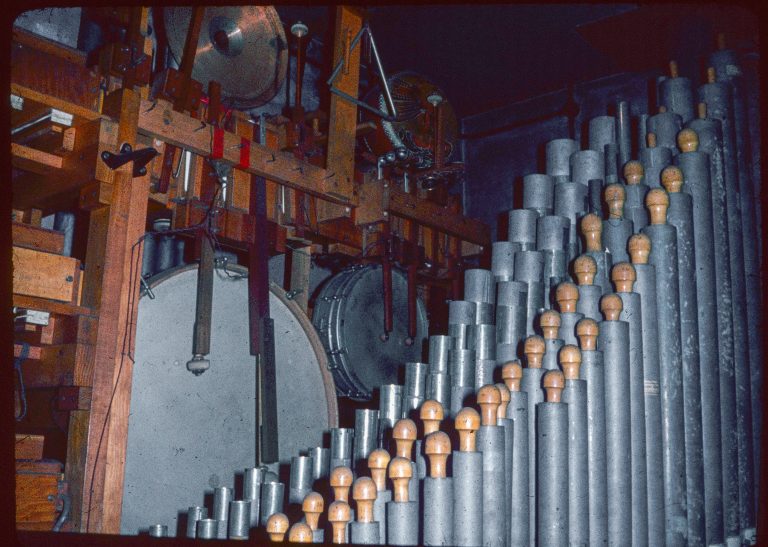
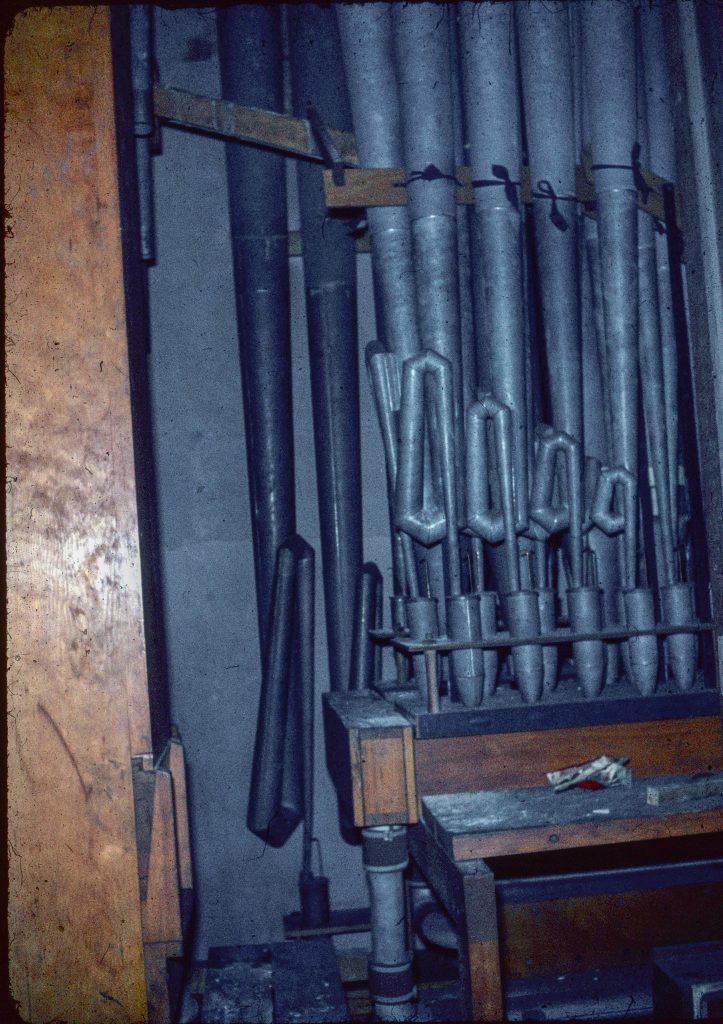
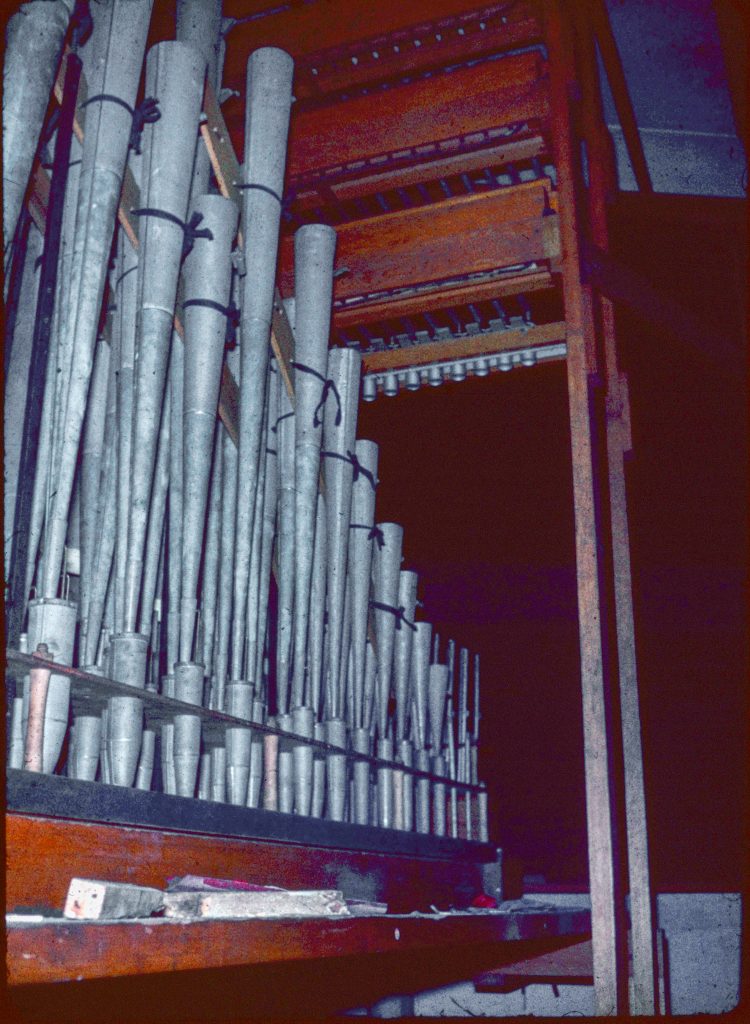
Chamber photos c1978 showing what remained

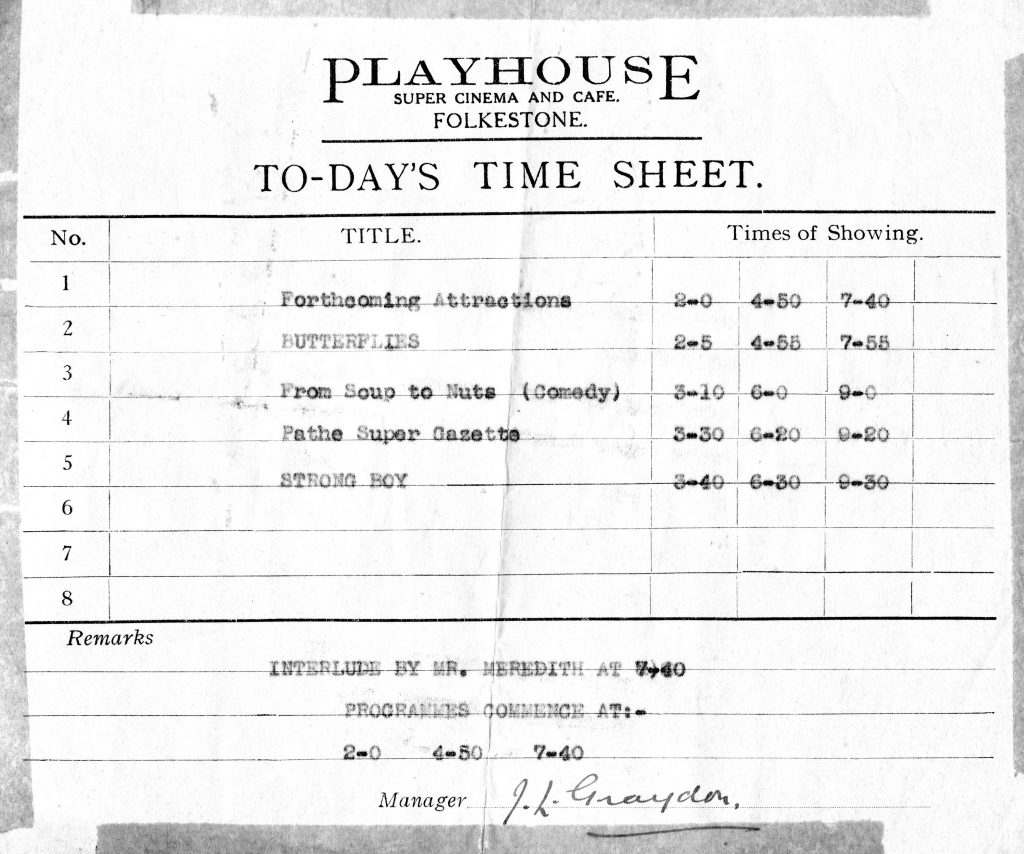
Playhouse Cinema
Opened: 18th June 1929 by James I. Taylor
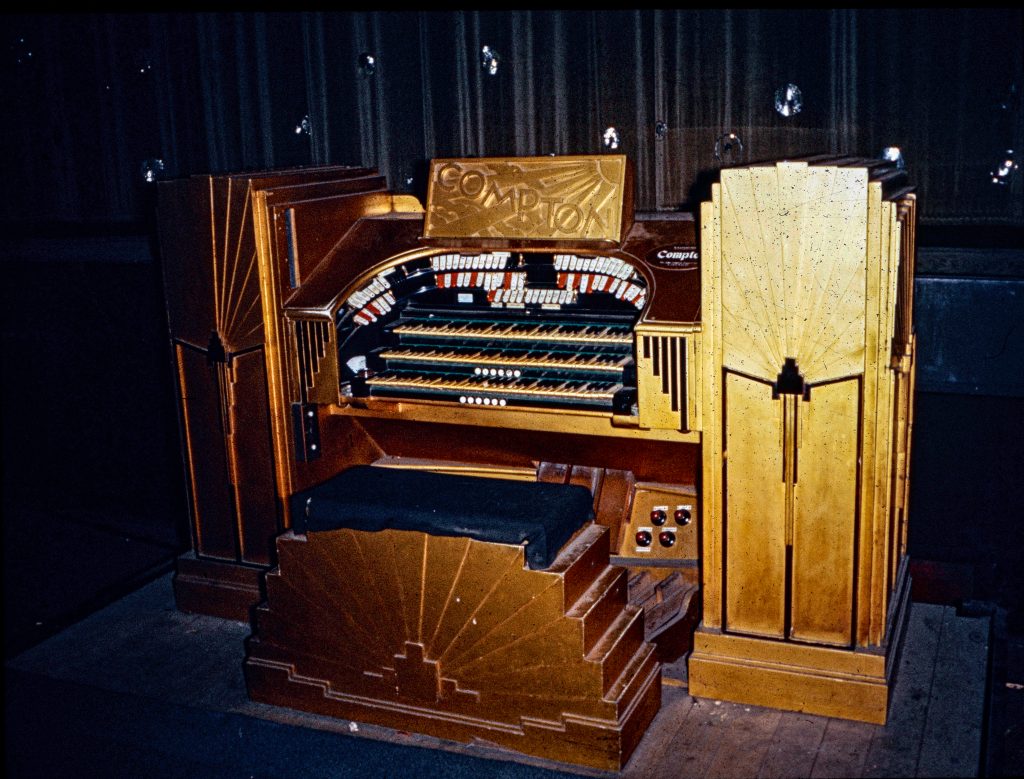
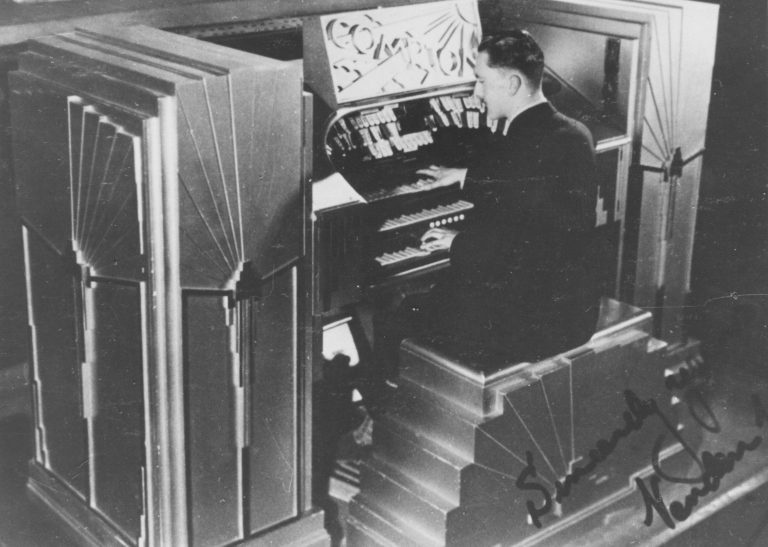
Manufacturer: Compton (A26)
Size: 2 Manuals, 5 Ranks
Ranks: Saxophone, Tibia, Viole, Stopped Flute, Vox Humana
History
1912: The theatre was opened on 14th August.
1929: The building was acquired by Mr Walter Bently and on the 18th June the organ was opened by James I. Taylor who worked for Compton
1934: This seems to be the last time the organ was played.
1935: The Union Cinemas chain took over in November
1946: Following the war the cinema was re-opened 1st April by the Essoldo Cinemas chain.
1962: The Playhouse Cinema was closed on 26th August.
1963: The Building was demolished in May. Thankfully Ricky managed to save the Stopped Flute and a few other parts from the organ before the rest was scrapped.
Personalities
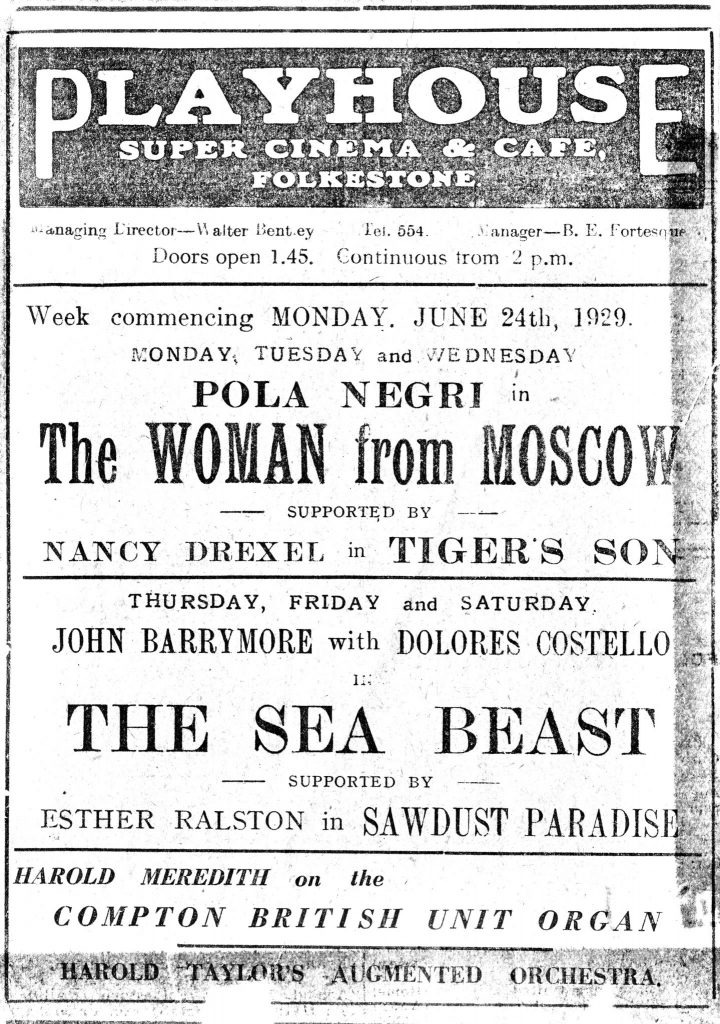
Harold Meredith – August – October 1929
Thomas Dooley – October – November 1929
Cyril Birmingham – July 1934
Technical
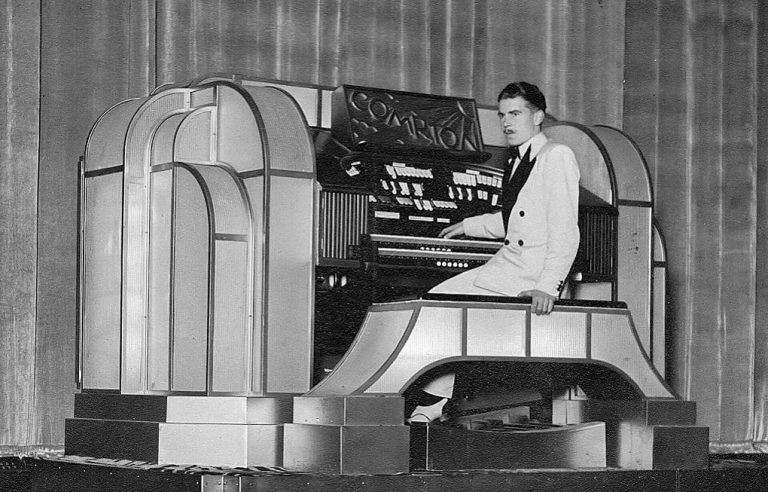
Not much is known about the organ at the Playhouse. The press photo above was not the console that was actually used, the main difference being the actual organ had no thumb pistons.
The organ had one tremulant which was placed outside the chamber, this did not go down well with nearby houses and so a silencing box had to be built.
The 16ft Tibia was in-fact a diaphone consisting of only 6 pipes with flaps to alter the pitch instead of 12 individual pipes.
The Saxophone was most likely a French Horn.
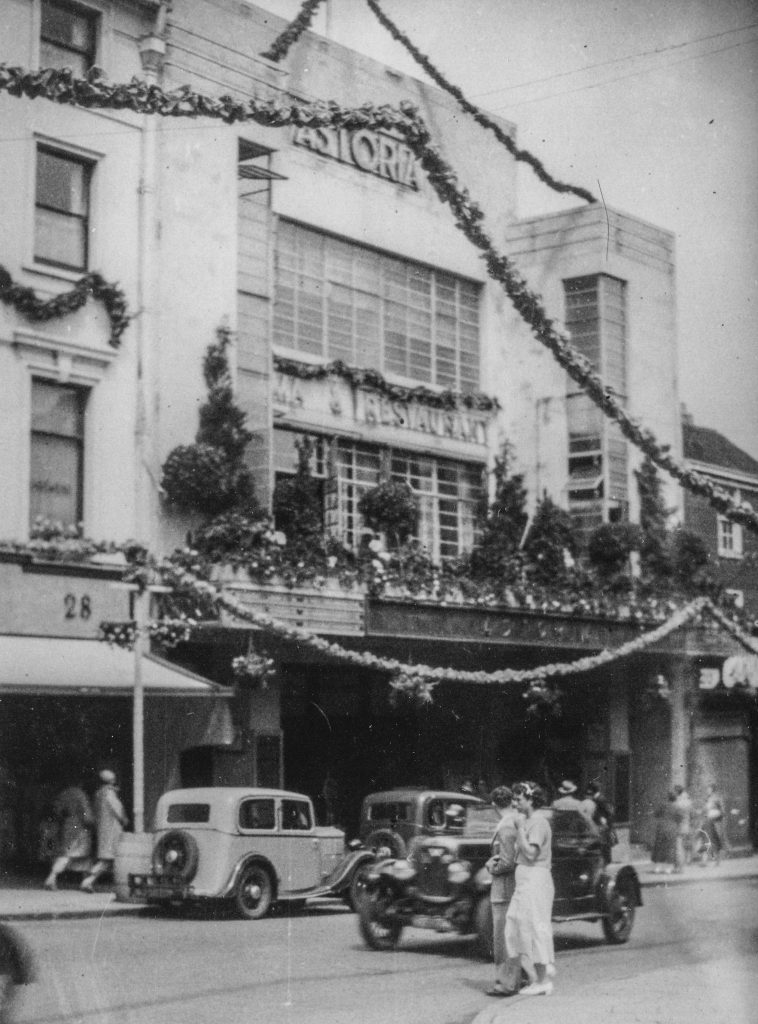
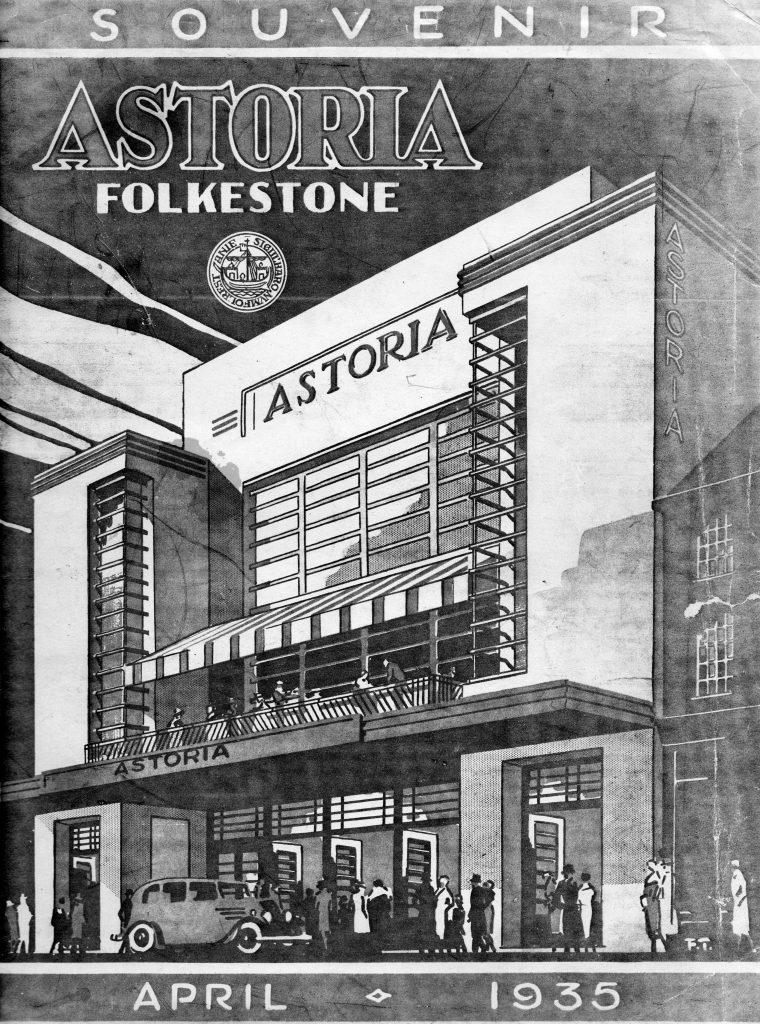
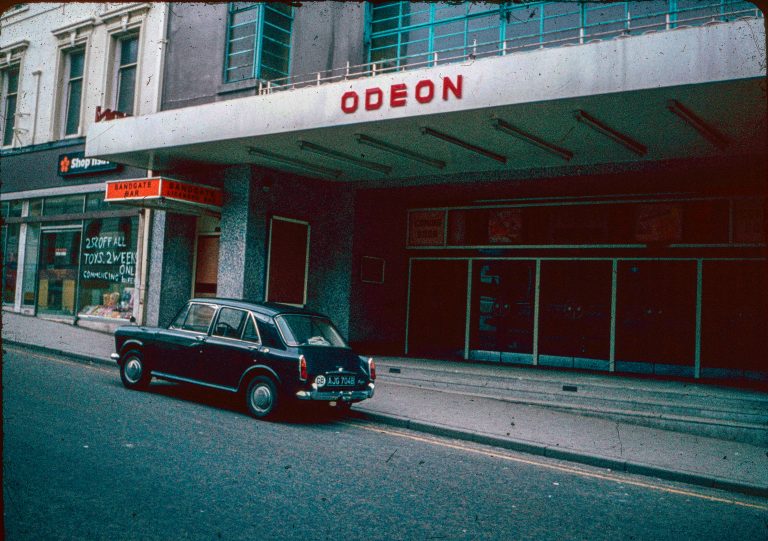
Astoria-Odeon Cinema
Opened: 20th April 1935 by: Leslie Holman
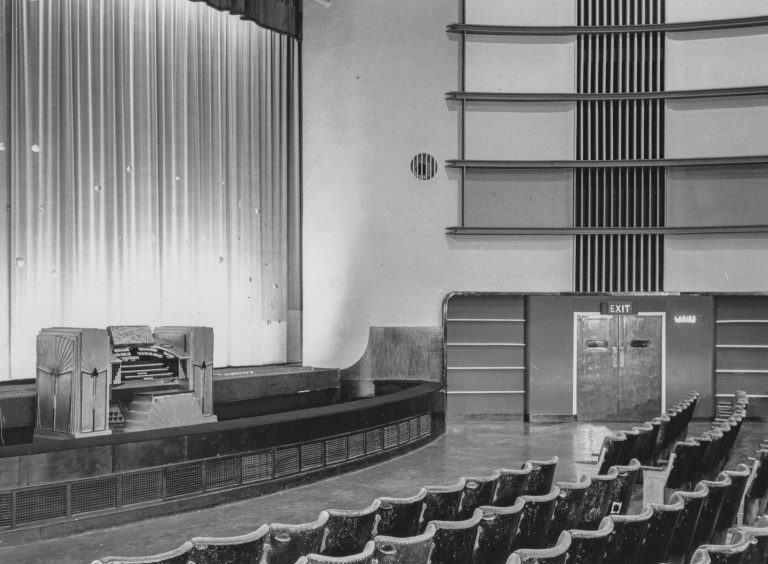
Manufacturer: Compton (A255)
Size: 3c Manuals, 6 Ranks
Ranks: Tuba, Diapason, Tibia, Viole, Flute, Vox Humana
History
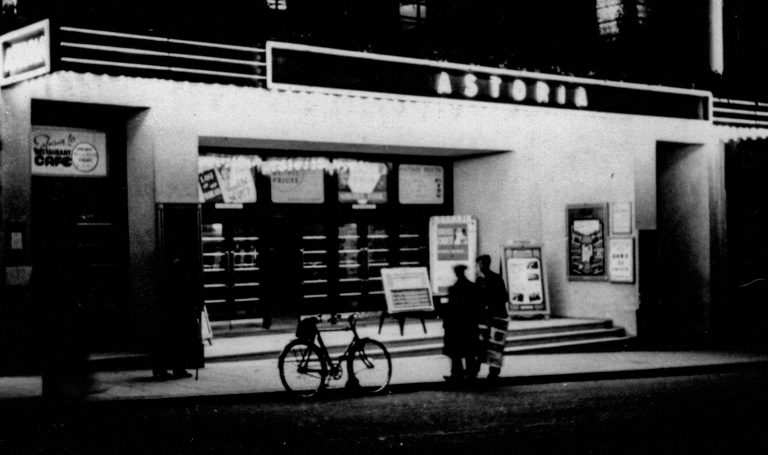
1935: The Astoria Cinema opened on 20th April 1935 with Fred Astaire & Ginger Rogers in “The Gay Divorce”.
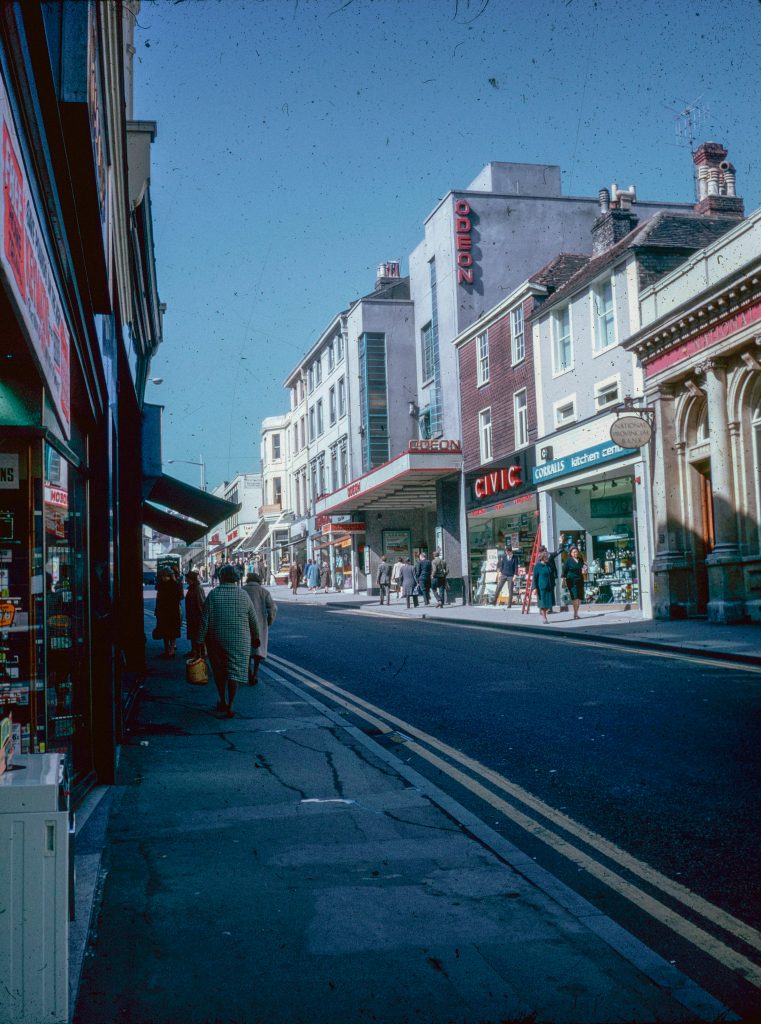
1937: Re-named Odeon.
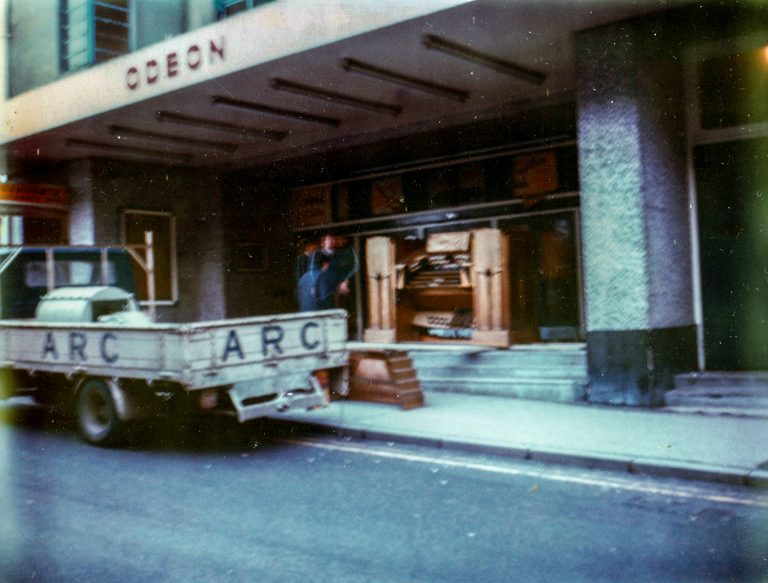
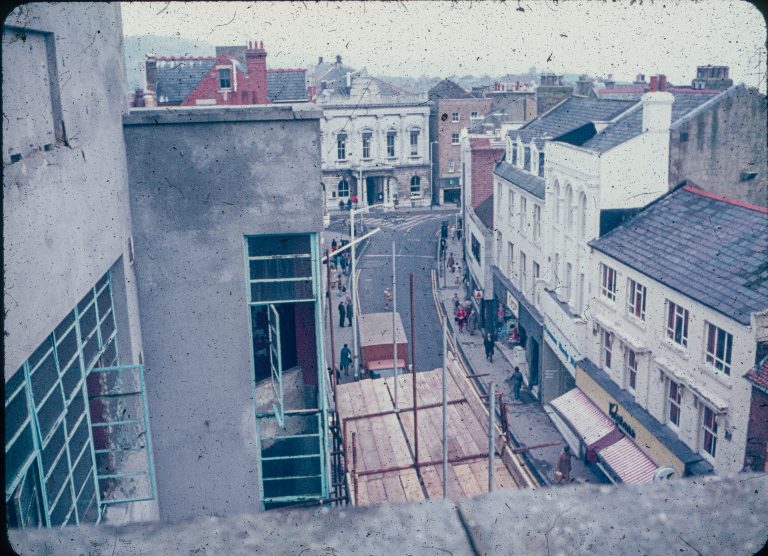
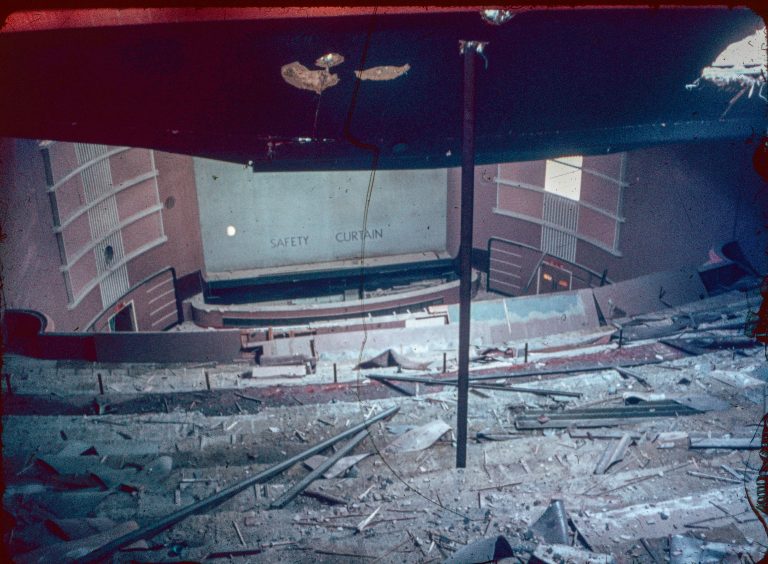
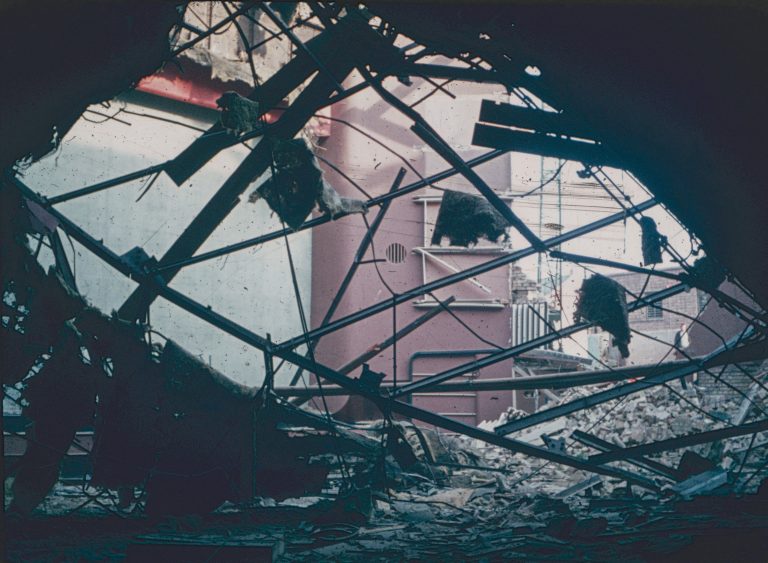
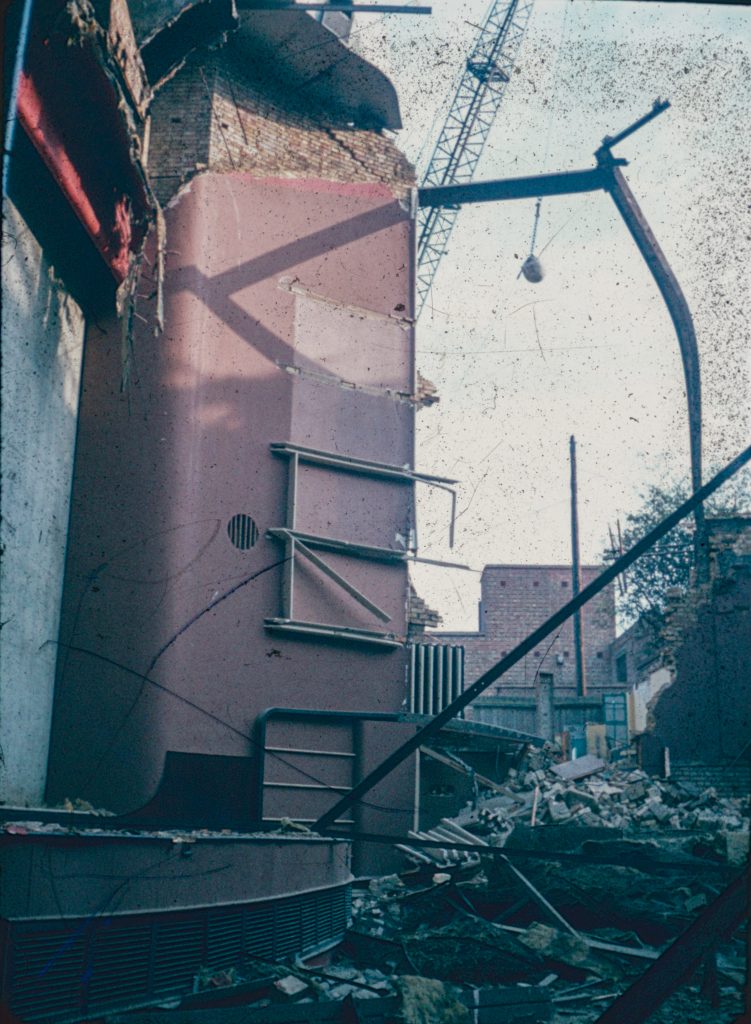
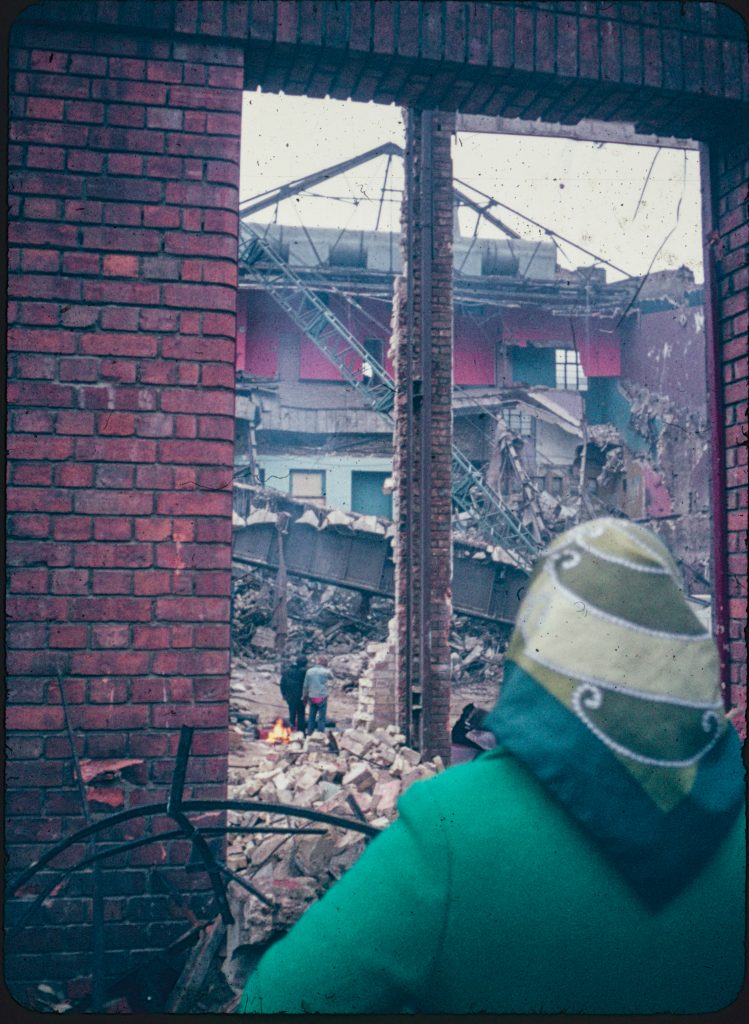
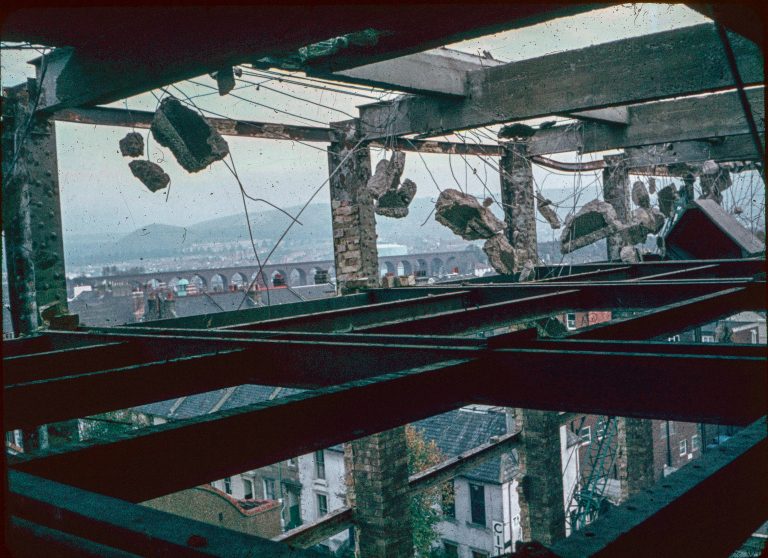
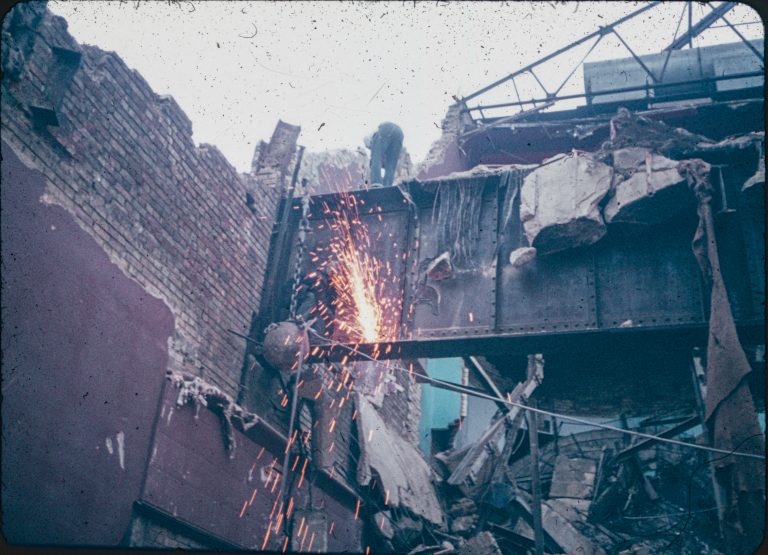
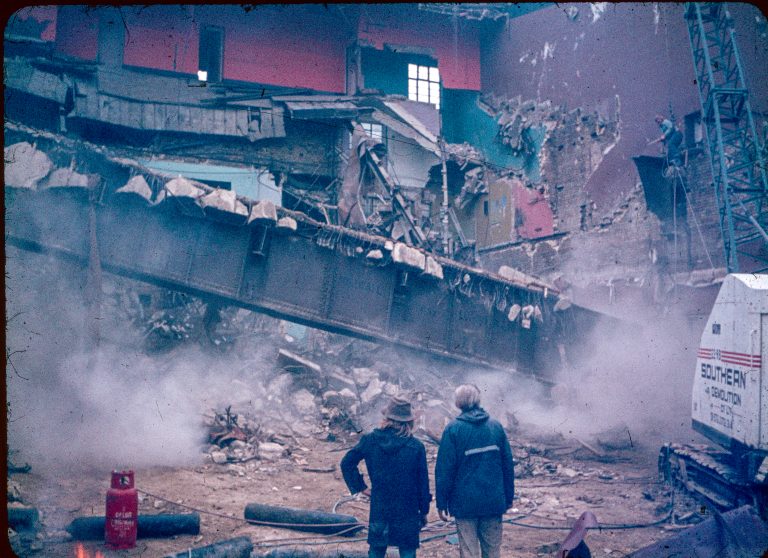
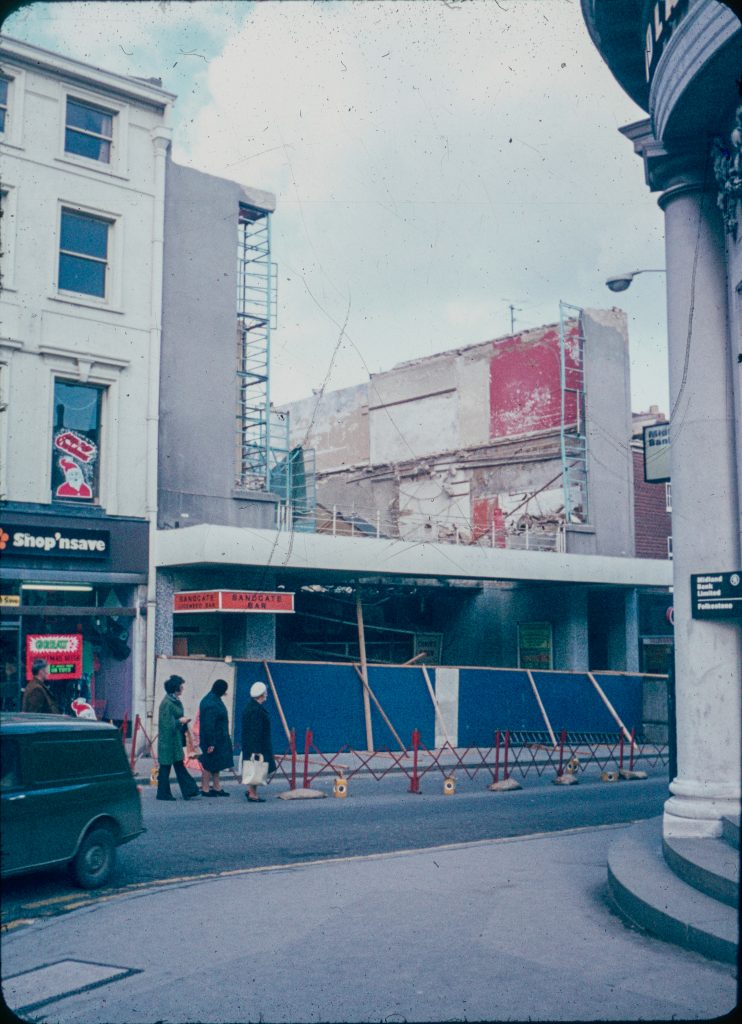
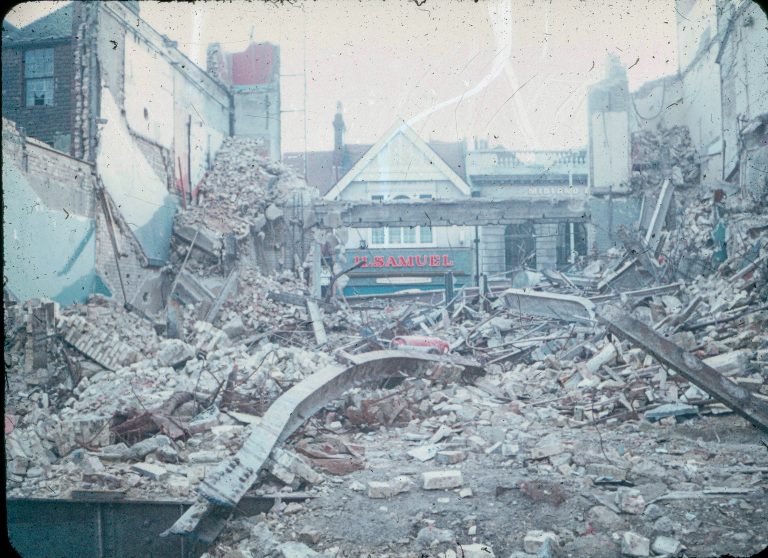
1974: On 26th January the cinema was closed and shortly after was demolished. The organ was bought for £850 by a Mr Wicks who lived in Suffolk.
1983: The organ was bought by Arie Vonk for installation in Pernis a suburb of Rotterdam in the Netherlands.
1986: On December 27th the organ was opened in Pernis by Len Rawle.
Current: The organ is in storage awaiting a new home.
Personalities
Leslie Holman – Opening – December 1935
John E Francis – December 1935 – January 1936
Frank Tapp – January 1936 – April 1936
Albert Payne – April 1936 – November 1936
Andrew Fenner – November 1936 – March 1937
Jack Courtnay – March 1937 – May 1937
James Peters – May 1937 – June 1937
Henry Windfield – June 1937 – September 1937
Reginald Stone – September 1937 – September 1938
Verden Waugh – September 1938 – November 1939
Gallery
Organ


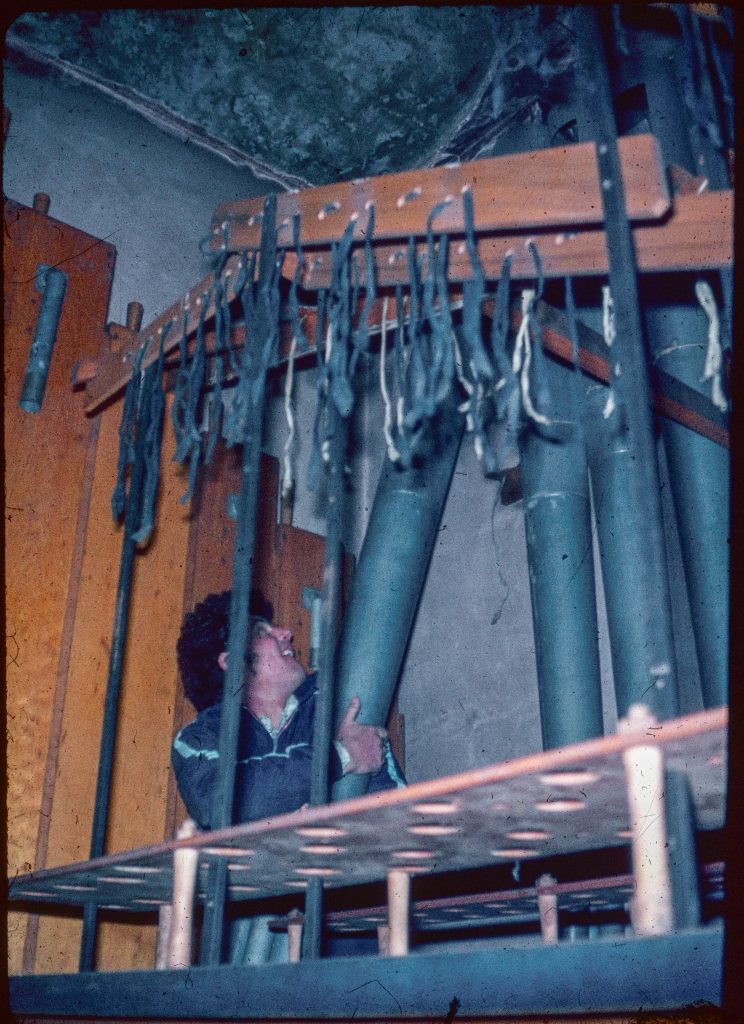
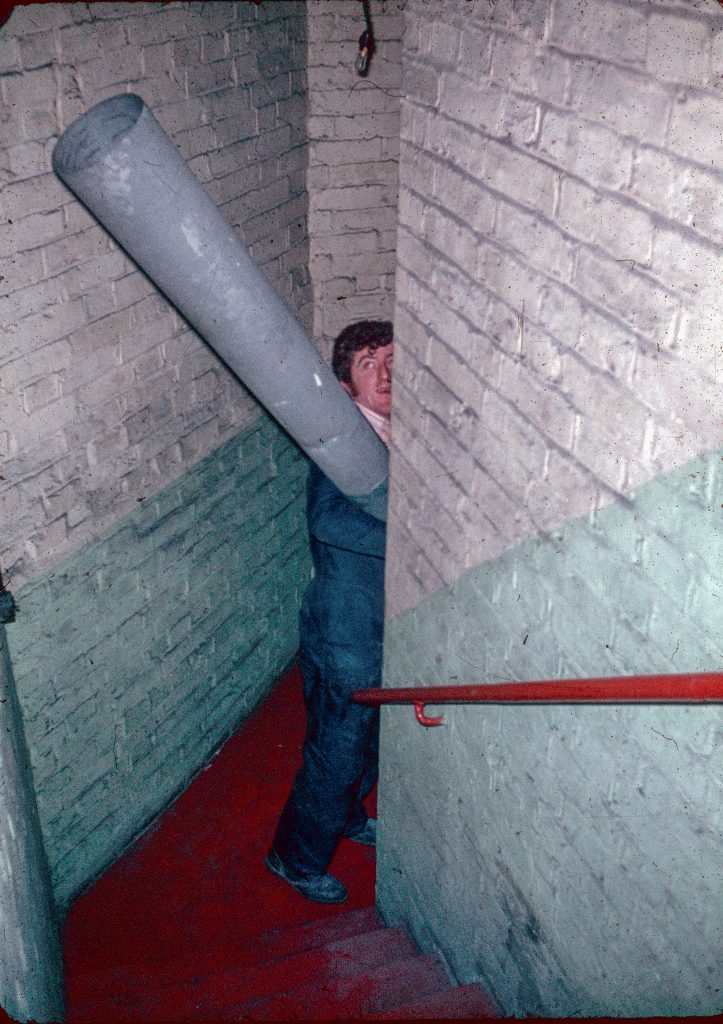
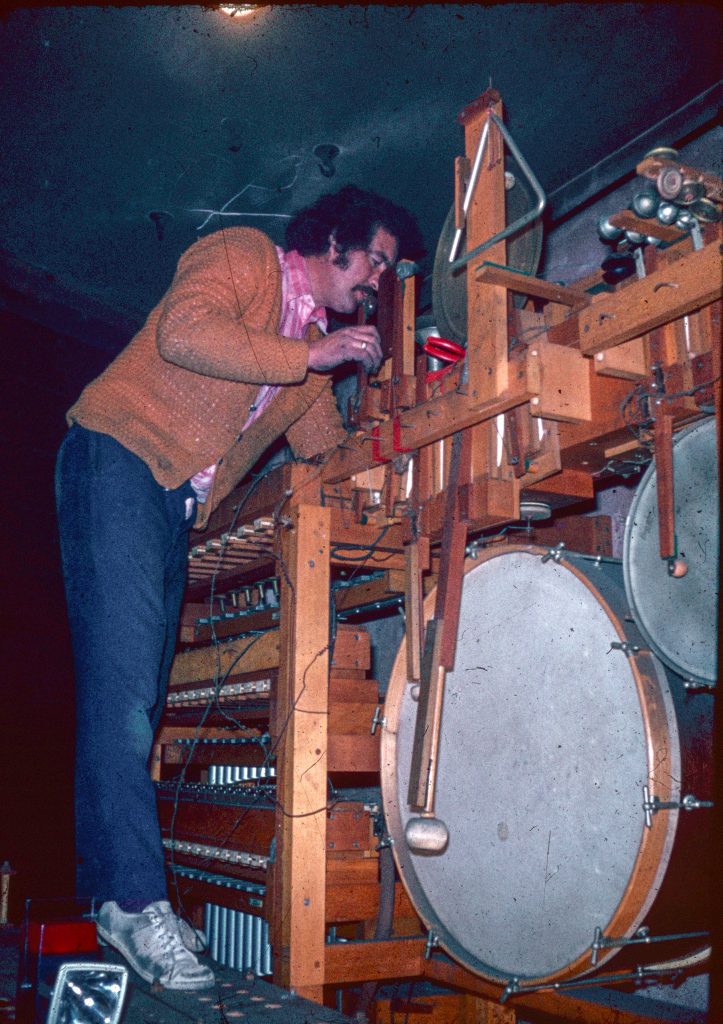
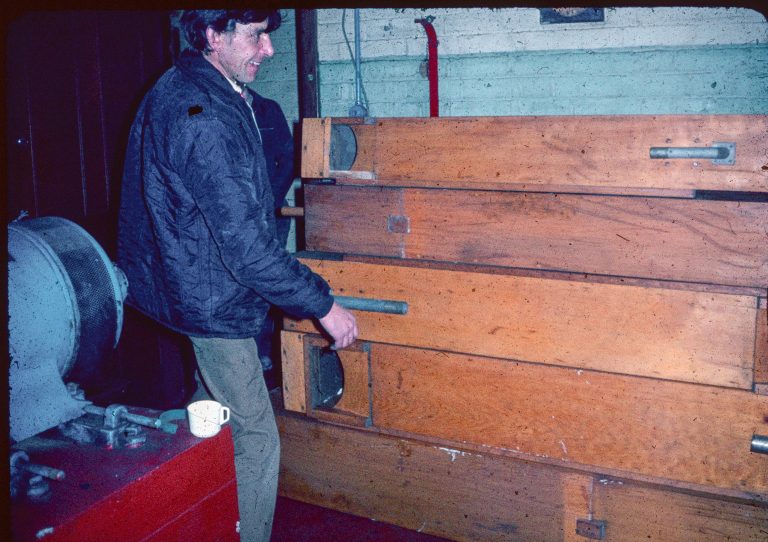
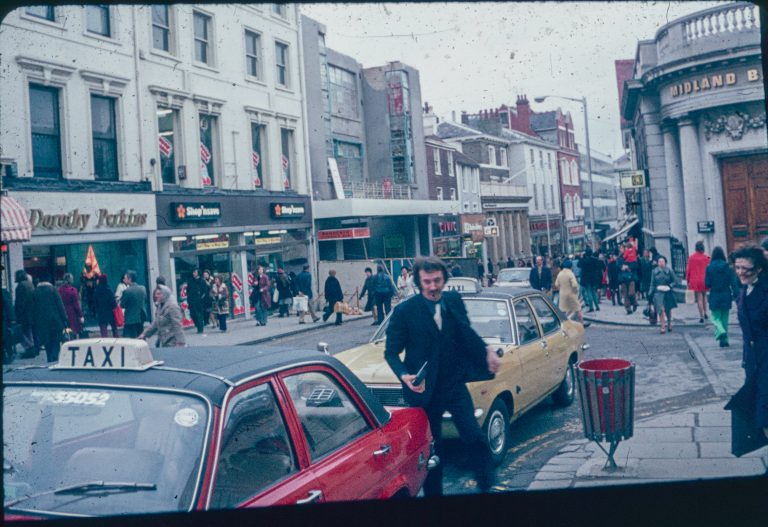
Cinema & Demolition
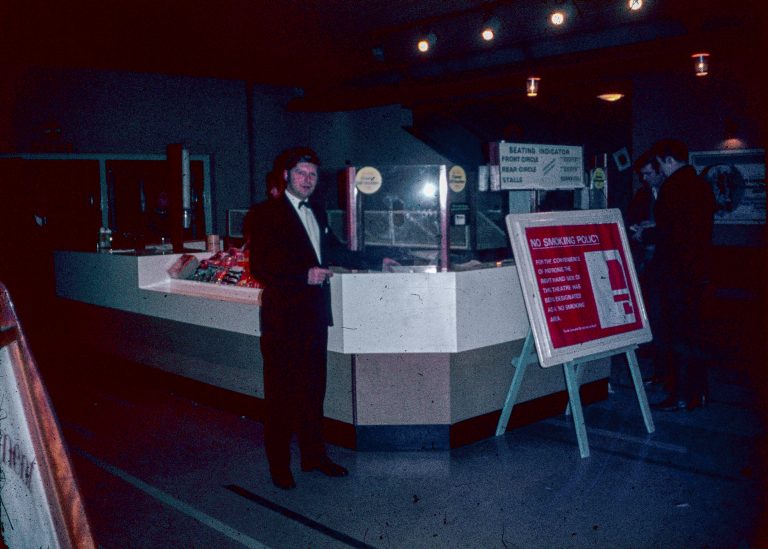
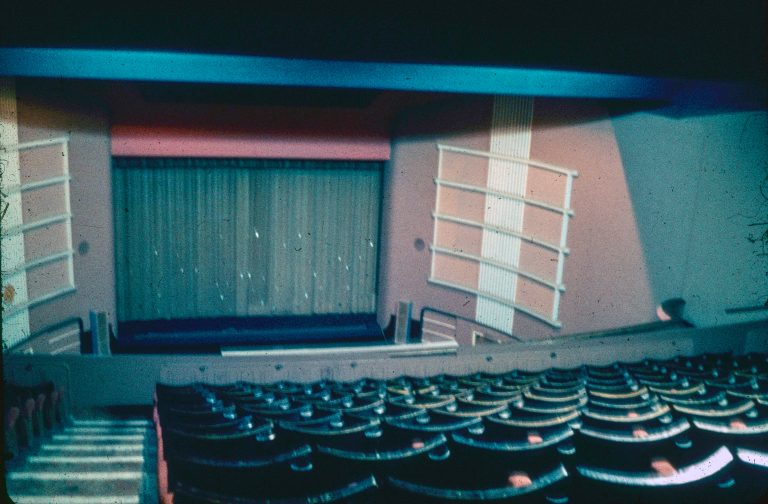
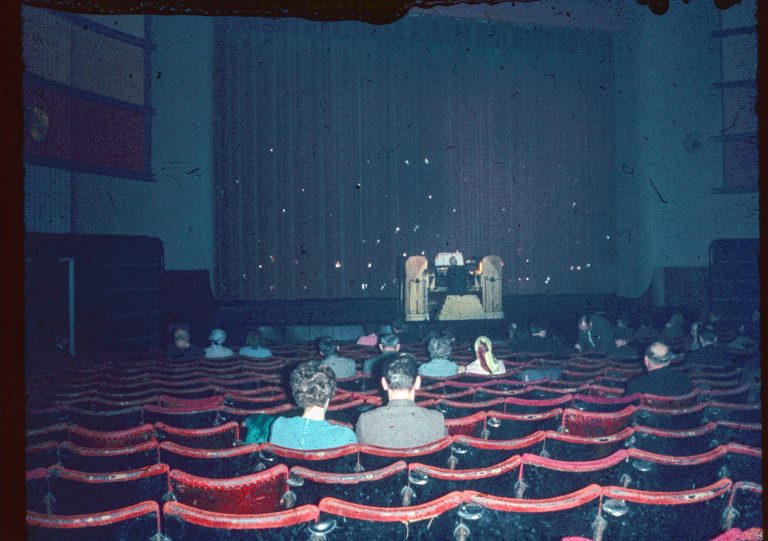
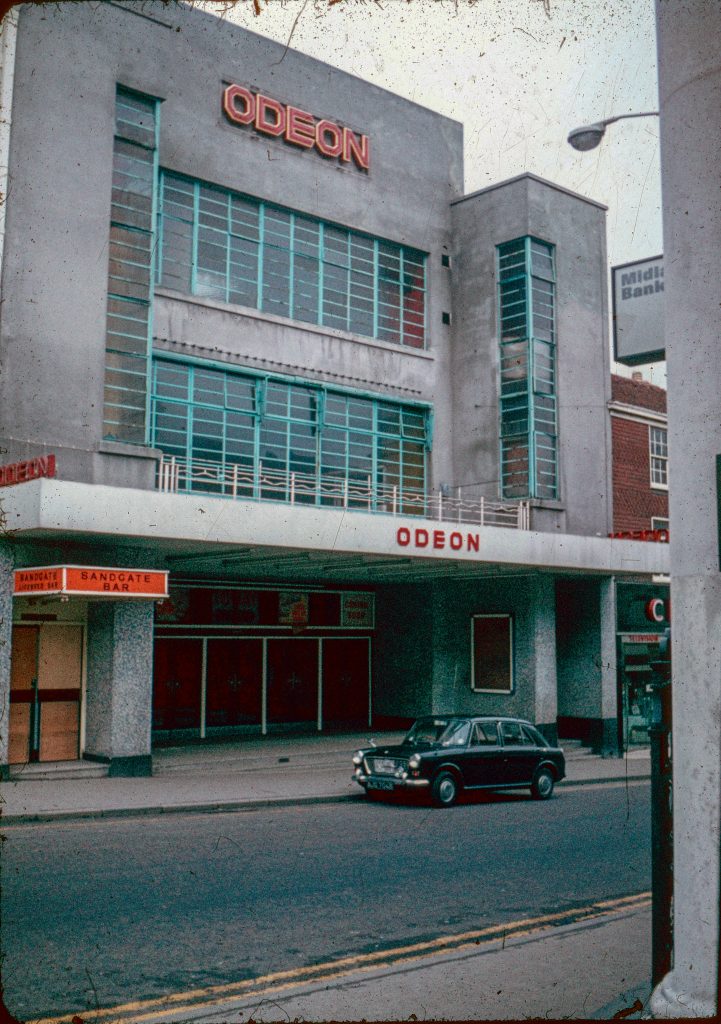
Technical
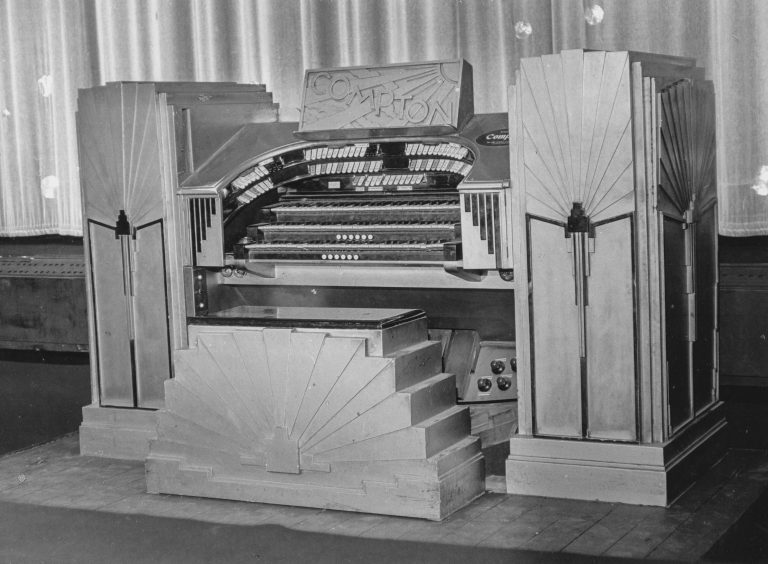
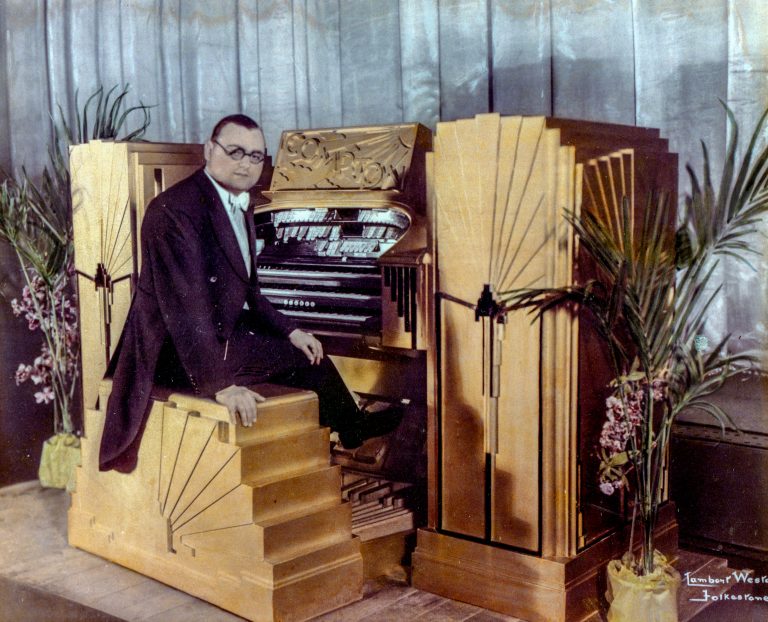
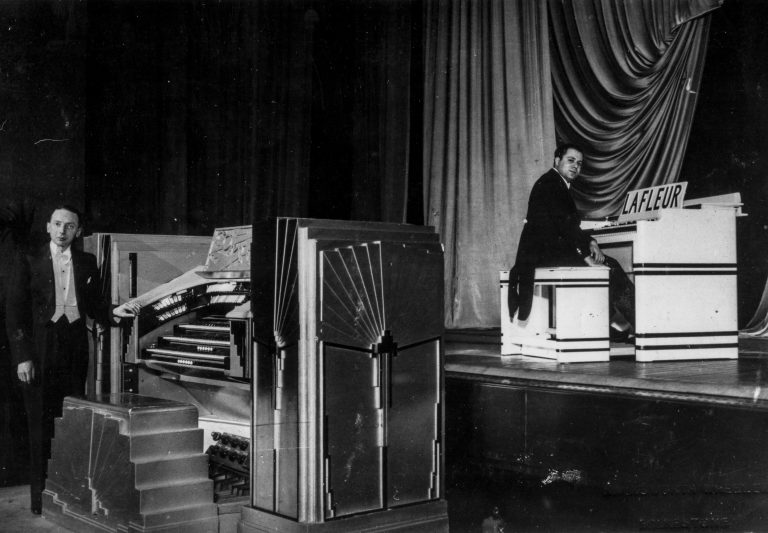
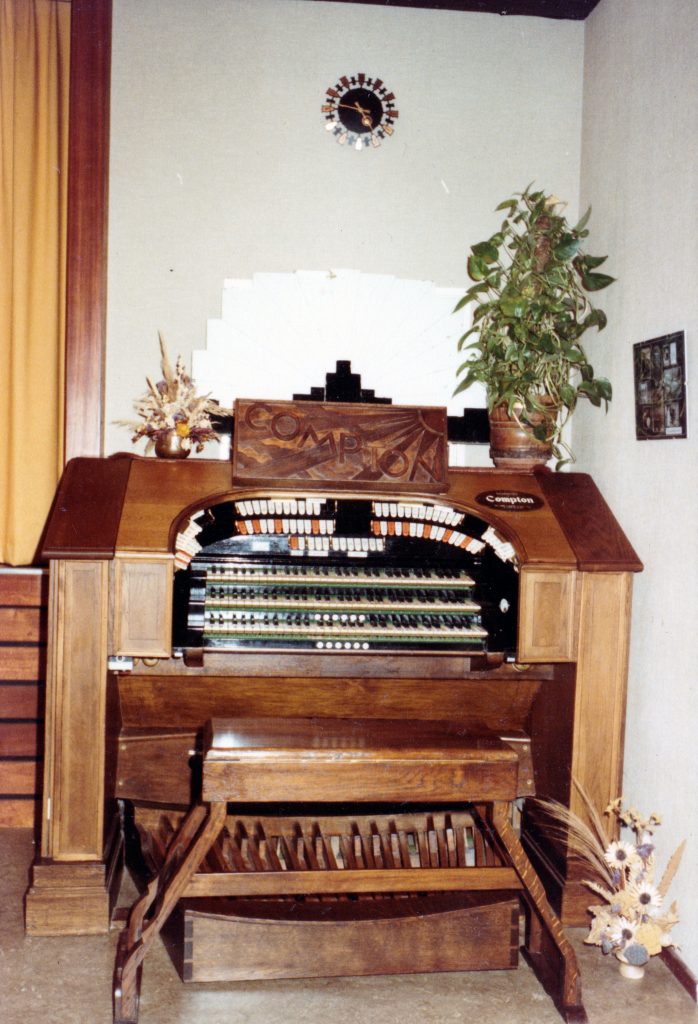
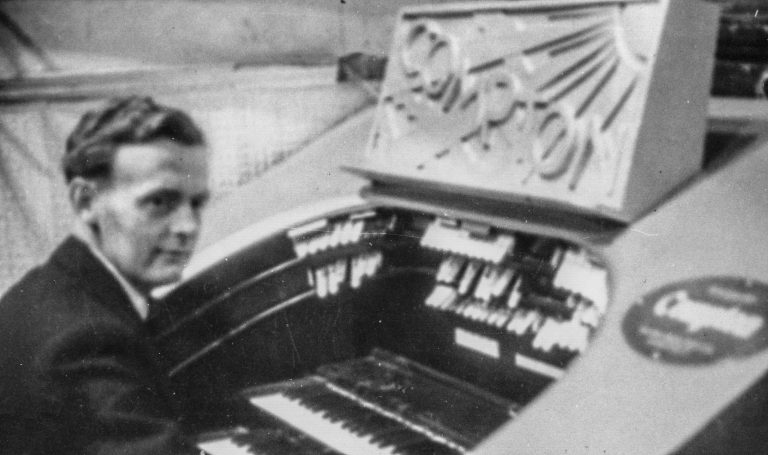
The Astoria/Odeon organ was a very typical small Compton of its time. The top manual was a coupler manual, thats to say it didn’t have any pipe stops specific to that manual, but a series of couplers to transfer the sound from the other two manuals up to the top one at various pitches.
The organ was installed in two chambers, one on top of the other, on the right hand side of the auditorium.
Specification
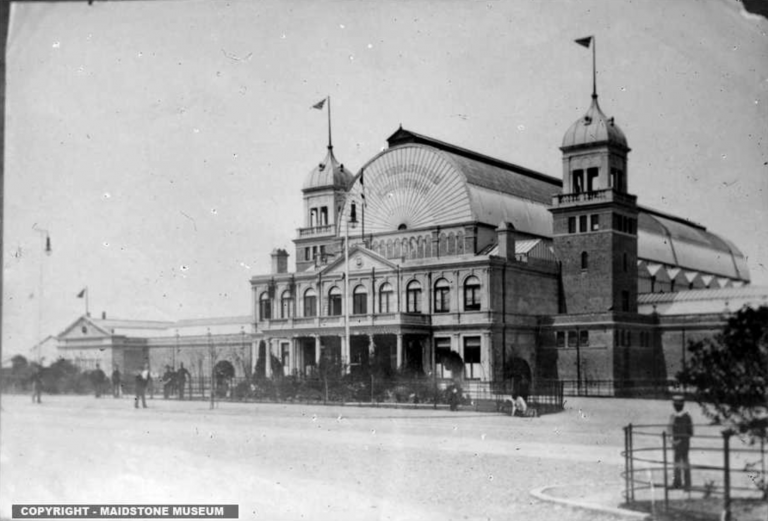
Pleasure Gardens Theatre
Opened: 1949 in Folkestone
Manufacturer: Compton (A322)
Size: 2 Manuals, 5 Ranks
Ranks: Tuba, Trumpet, Tibia, Violin, Flute
History
This organ was second-hand to Folkestone.
1935: The Compton was opened in the Rendezvous Cinema, Cambridge by Reginald Dixon (Tower Ballroom Blackpool Organist) on 21st October.
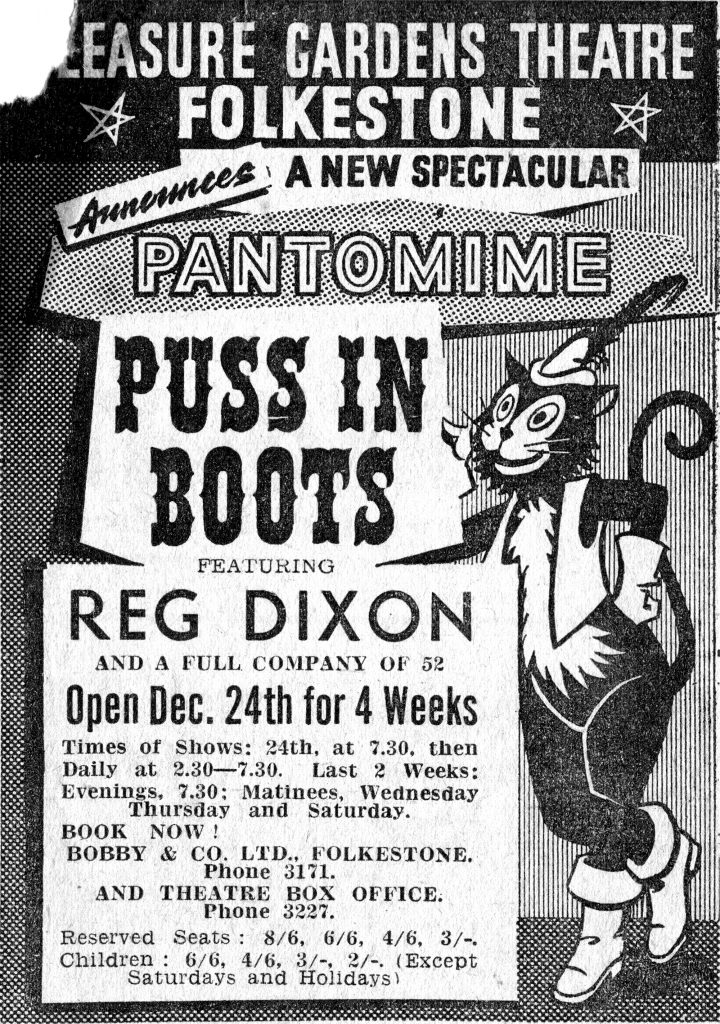
1947: The cinema was sold at auction. At this time D. Oswald David was appointed manager of the Pleasure Gardens Folkestone and wanted a cinema organ
1949: The organ was opened in Folkestone but was little used.
c1963/4: The building was demolished. Most of the organ was saved by Ricky.
Personalities
Cambridge
Reginald Dixon – Opening
Harold Ramsay – November 1935
Florence De Jong – December 1935
Stanley Miller – October 1935 – February 1936
Leo Rae – February 1936 – July 1937
Derek Taverner – April 1943
Folkestone
Reginald Moore – 1947
Technical
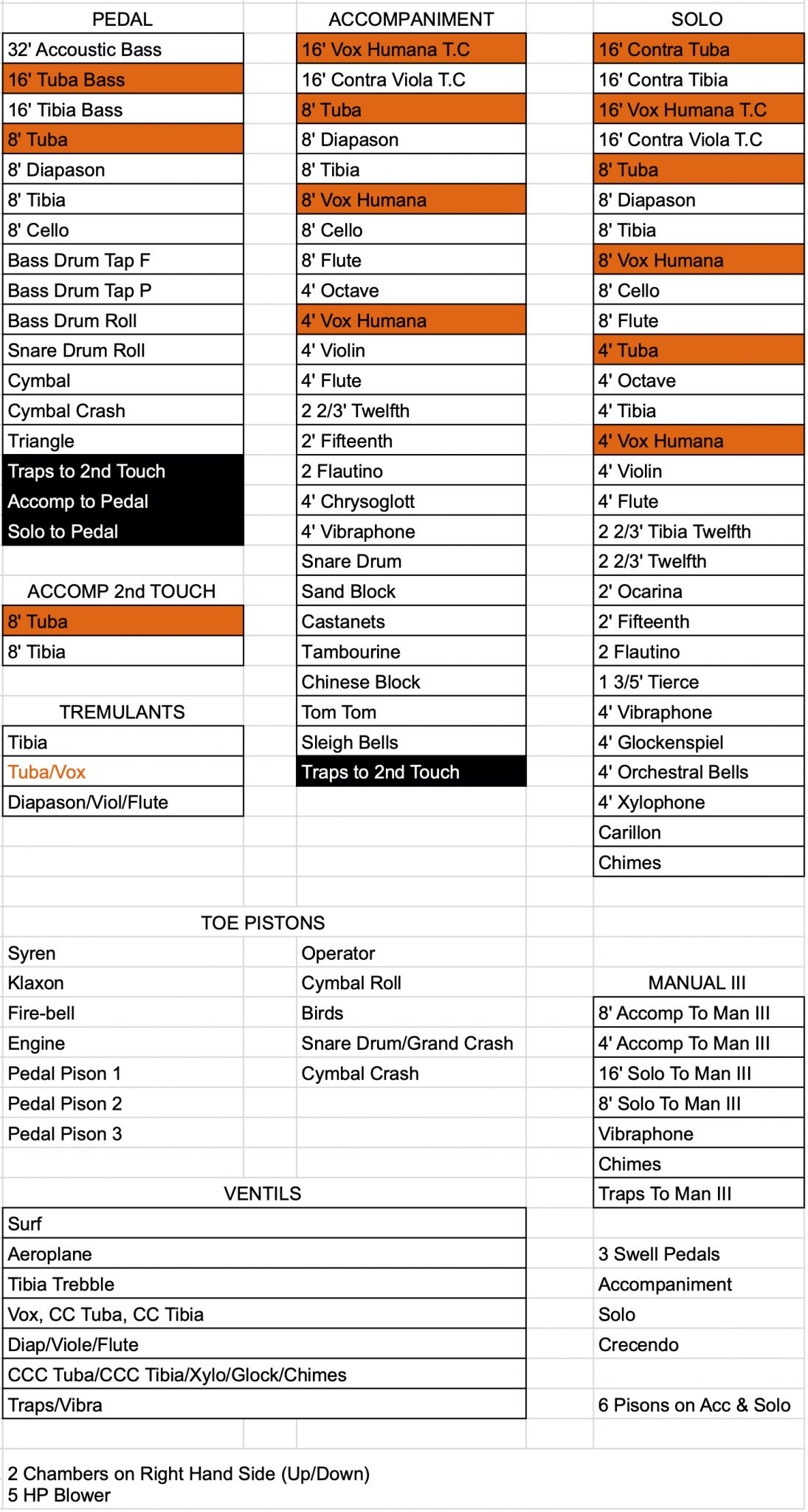
This was a maximum “bangs for your bucks” Compton, designed to be diverse but loud.
Ricky saved most of the pipework, chests, relays, console parts & bench.
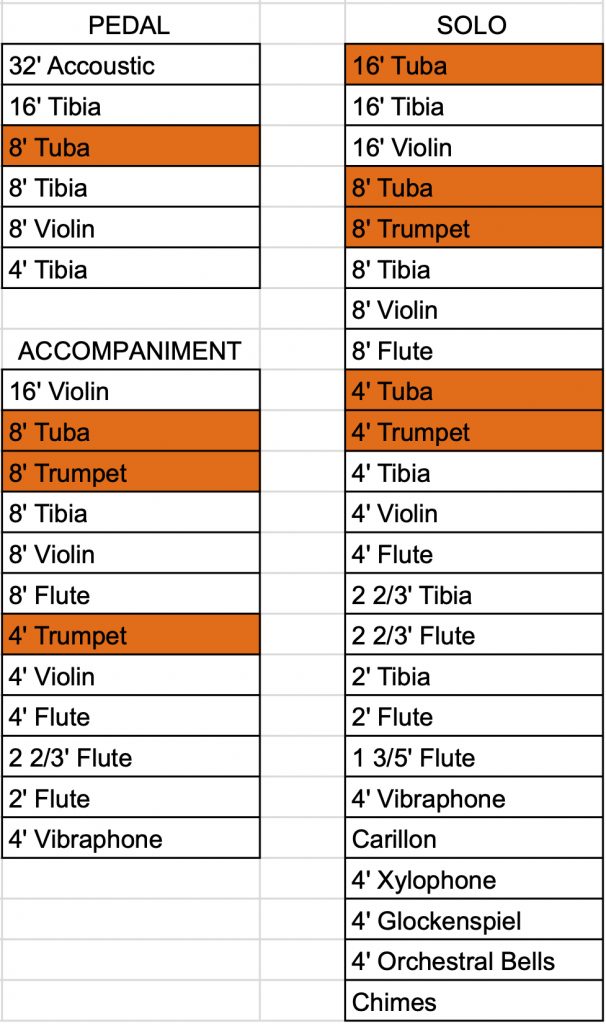
Specification
This was taken from the relays boxes, so only shows the the stop list for the pipe-work and tuned percussions.
Baptist Church, Rendezvous Street
Ricky Hart saved some of this organ and the Cornopean was implemented into his instrument.
History
Baptists in Folkestone first gathered in the house of John Stace, who owned the windmill in what was then the village of Foord, in 1720.
It was John Stace who gave a piece of land in Mill Bay on which the first chapel was built in 1730. Up until 1750 the Folkestone church was a branch of the church in Canterbury, in that year it was granted ‘dismission’ and became a separate entity.
On May 22 1845, the foundation stone of the first Baptist chapel, on this site was laid. The new building was called Salem Chapel and was funded largely by a loan given by the Folkestone MP, Mr SM Peto. The foundation stone of this building was laid on August 4 1874.
More than a century later, in 1987, Baptist worship here came to an end when the building was sold and is now a Weatherspoon’s pub. The Baptist Church that once worshipped in this building now worships in a new building in Hill Road, which it first occupied on Christmas Eve 1989.


Technical
Built in 1877(c) by Henry Jones & Sons and in 1928 it was rebuilt with a new case-front by Rest Cartwright. The organ was a 2 manual instrument with manuals just short of 5 octaves (CC to A)
Stop List
Great
4’ Principal
Mixture III Ranks
8’ Dulciana
8’ Rohr Flute
8’ Open Diapason
16’ Double Diapason
Pedal
16’ Open Diapason
16’ Bourdon
8’ Octave
Swell
8’ Oboe
8’ Cornopean
4’ Principal
8’ Viox Celeste
8’ Salicional
8’ Lieblich Gedackt
8’ Violin Diapason
Couplers
Swell Super Octave
Swell To Great
Swell To Pedal
Great To Pedal
Tremulant