
Version 0.5
1956-1960
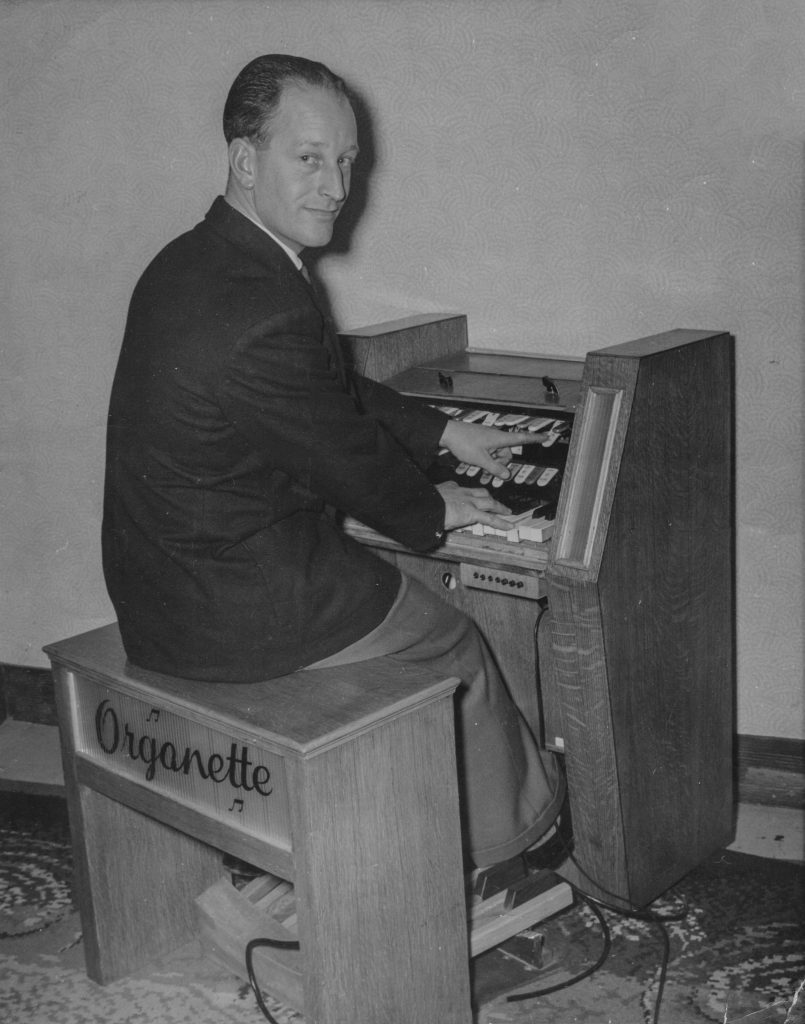
We hark back to 1956 and to the start of Rickys journey into organ building with the “Organette” which he designed and built from scratch himself when he was 31.
The organ took a year to finish, cost just £18 and measured only 4ft square including the stool.
“It is much smaller than i should have liked, but I had to restrict it as it took up too much of my wife’s valuable living space”.
The organ had only 24 voiced stops with 3 tremulants. Some of the voices available were, Saxophone, Violin, Oboe, Mandolin, Flute & Tibia.
Despite the small keyboard the organ has a range of 5 octaves with the aid of a range switch. The console was complete with lights in the bench and in the sides of the console. giving a range of six different colours.

Version 1.0
1960-1963
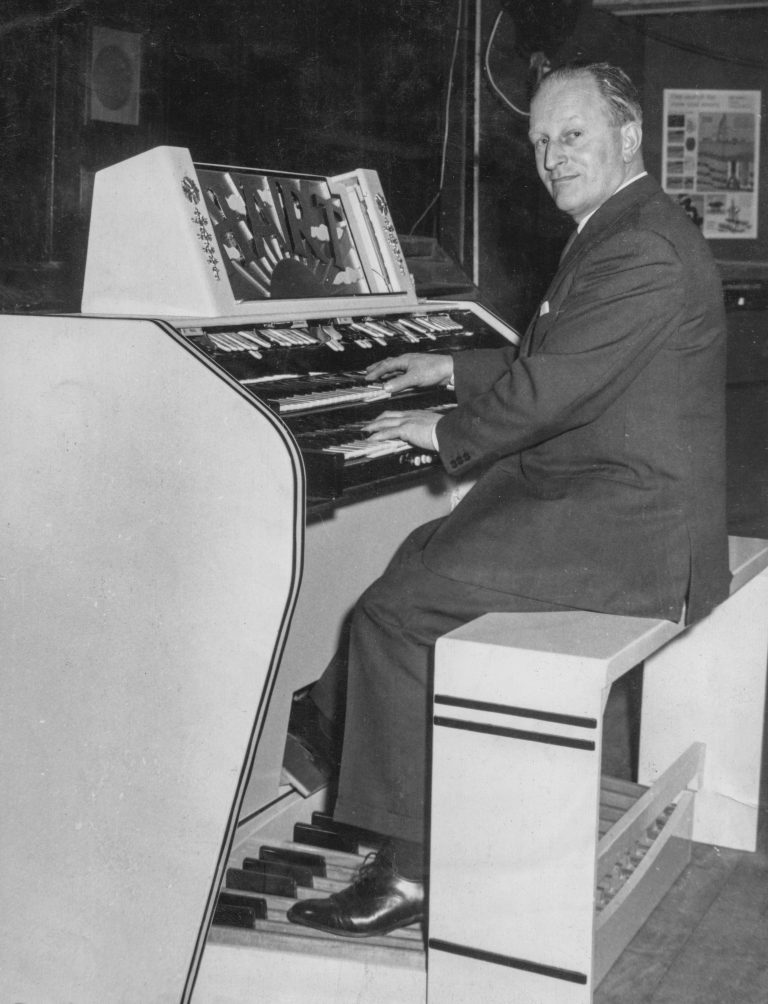
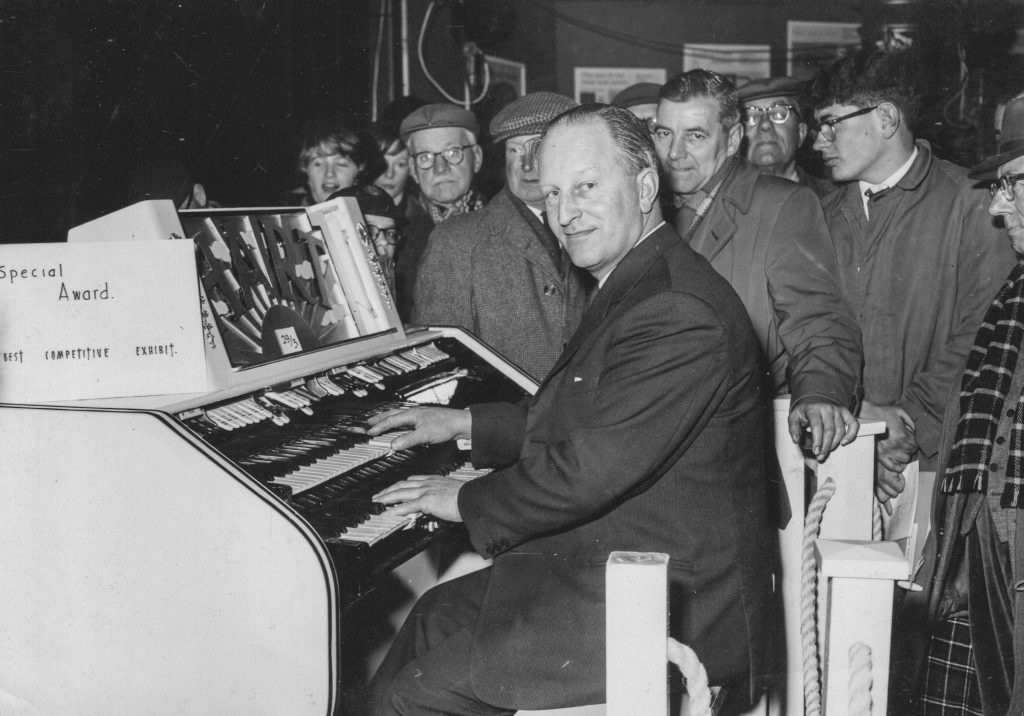
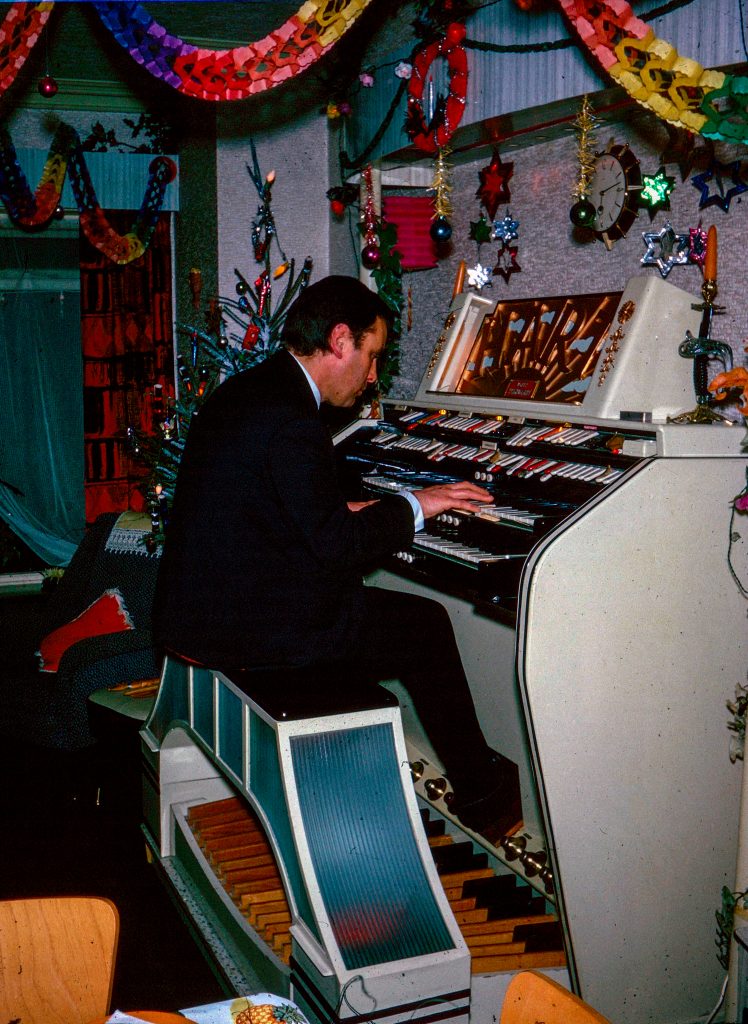
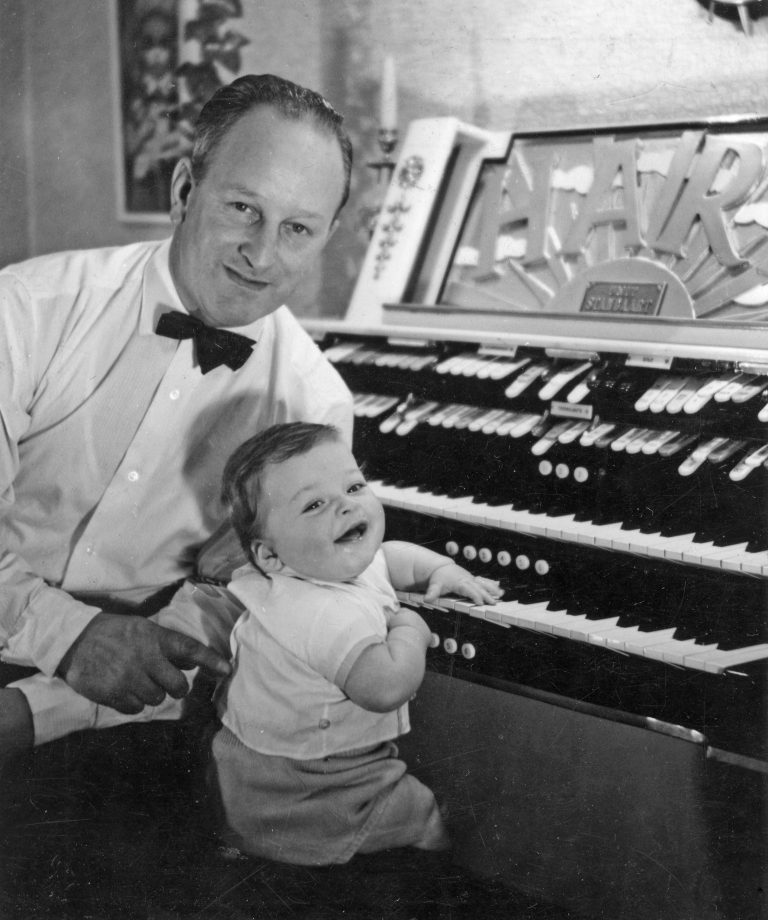
This organ was a more ambitious version of the previous model, no longer an “Organette” but a Wurlitzer style sunburst music desk with “HART” and was completed in 1960. The organ also boasted two full keyboards and 30 note pedal board.
The console was based loosely on the Compton Melotone/Theatrone organs of the 1930’s and indeed during this time Ricky knew the team at the Compton factory who were very helpful in providing information as well as materials such as stop tabs and units.
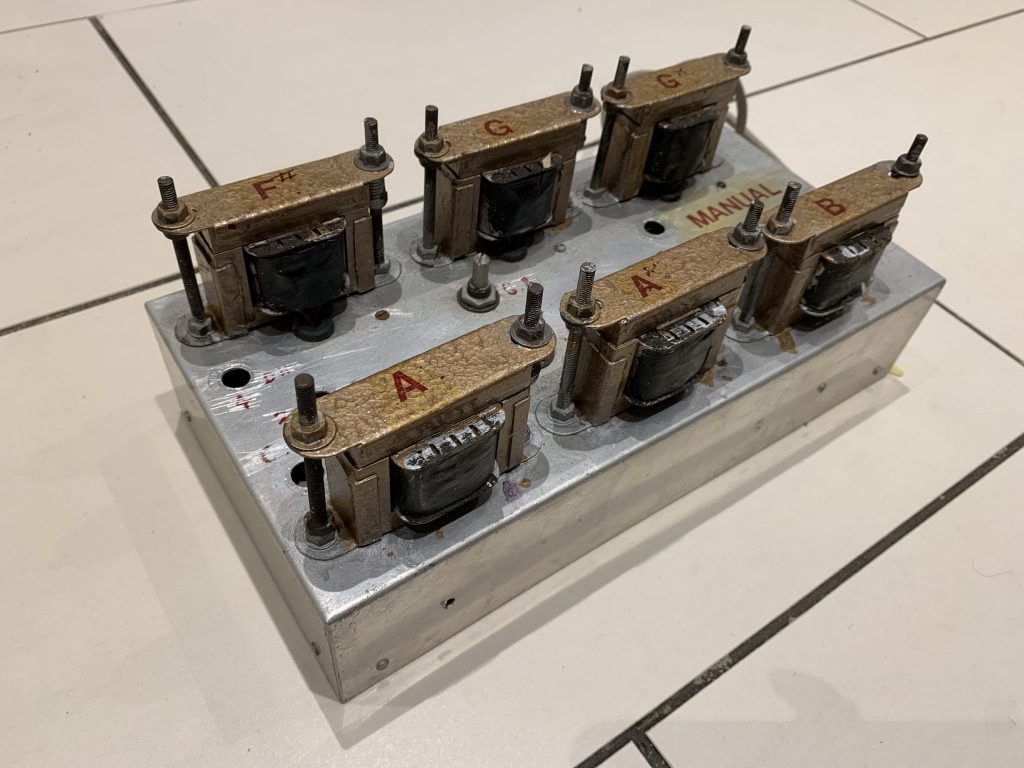
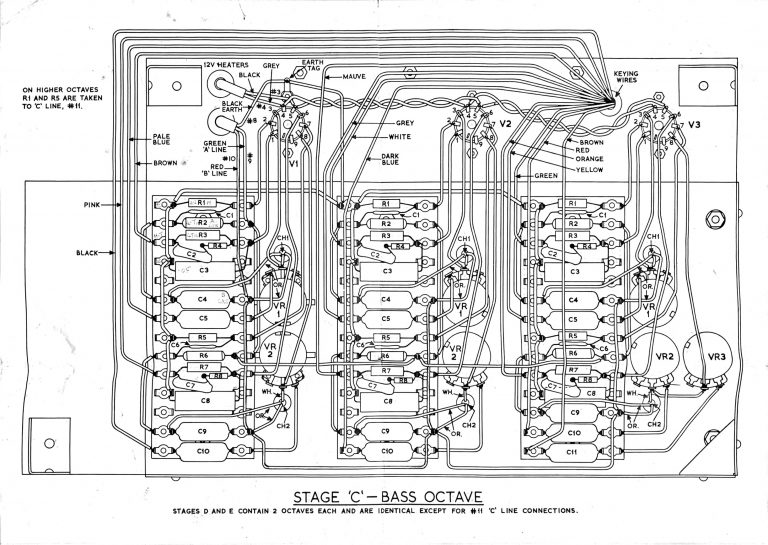
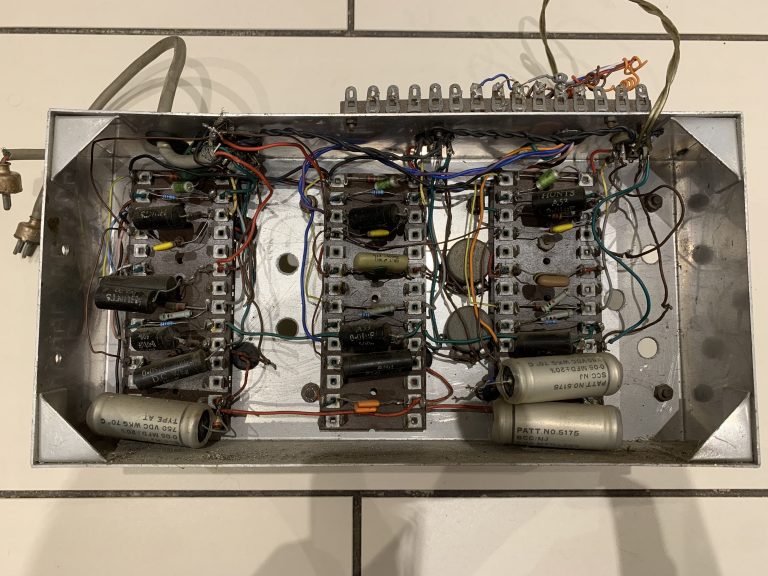
The sound was generated by 97 valve oscillators with various tone filters and shapers to produce the sounds required.
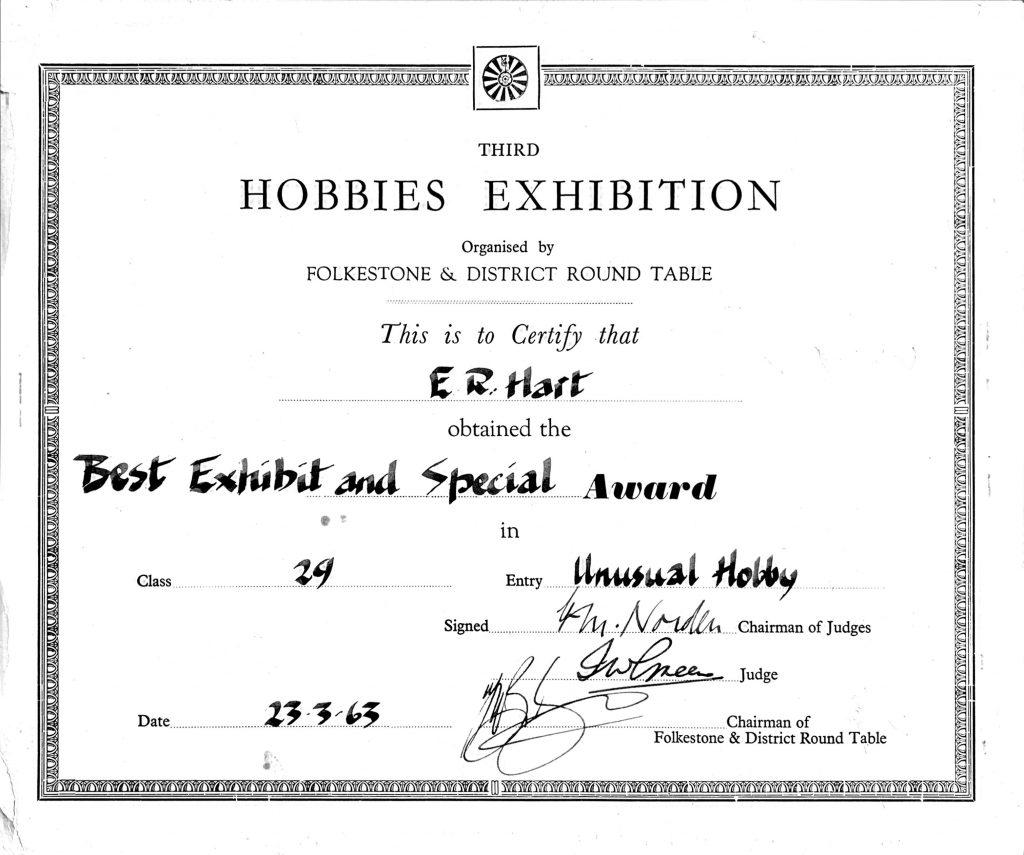
On the 23rd March 1963 the organ was moved temporarily to the Lea’s Pavilion and the Hobbies Exhibition where Ricky won “Best Exhibit and Special Award”.
Version – v1.5
1963-1967
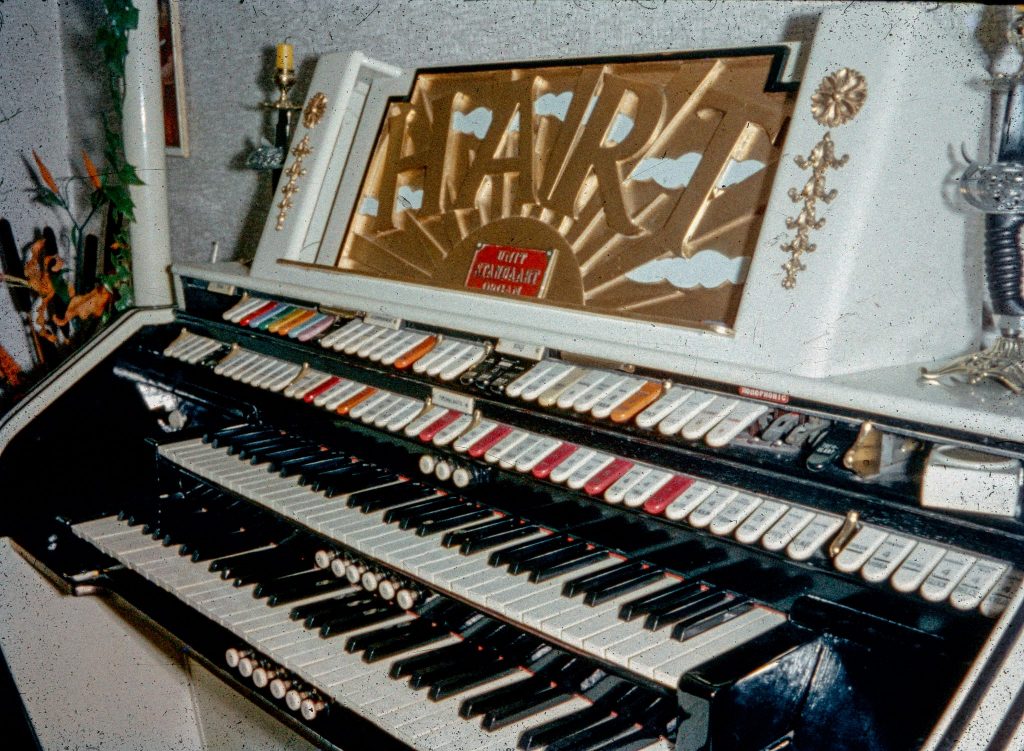
It was actually earlier than 1963 that Ricky first brought home some of the Standaart from the Savoy – even if it was only the Toy Counter.
However, after winning the Hobbies Exhibition, Ricky contacted the Savoy’s new owners regarding the organ and was told he could remove the instrument as a whole. The next parts came from the Playhouse Cinema and finally in the winter of 1963-1964 the final parts were saved from the Pleasure Gardens Theatre and the long process of installation began.
James Bond House
Certain modifications had to be made to the house, some to accommodate the organ, others to improve family life. The below sections written by Ricky are taken from then March 1966 Cinema Organ Society Journal.
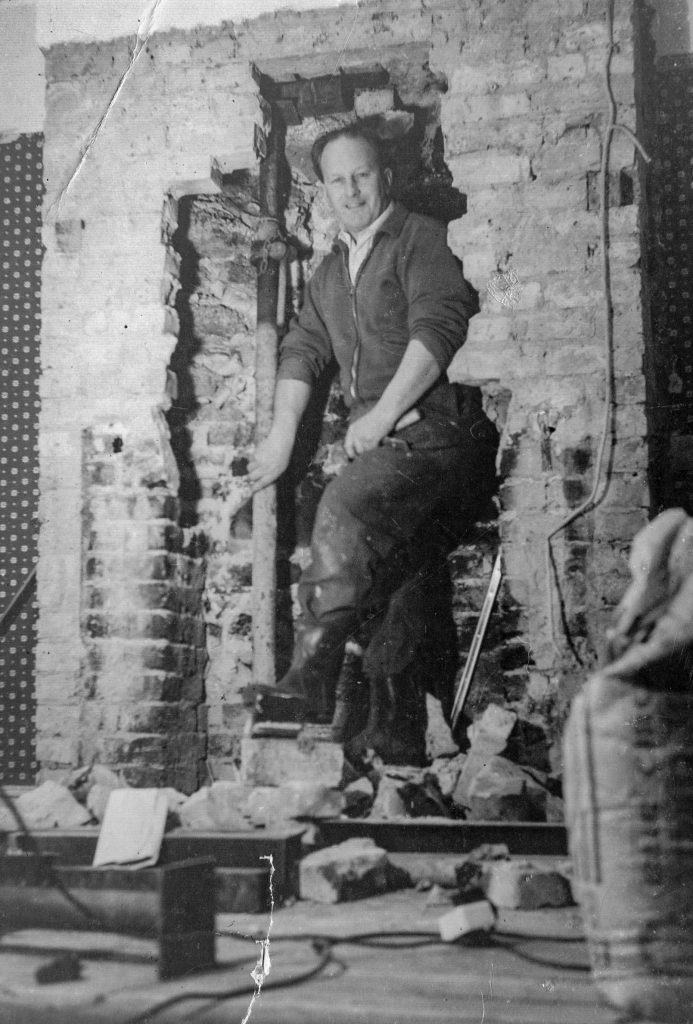
Fireplace
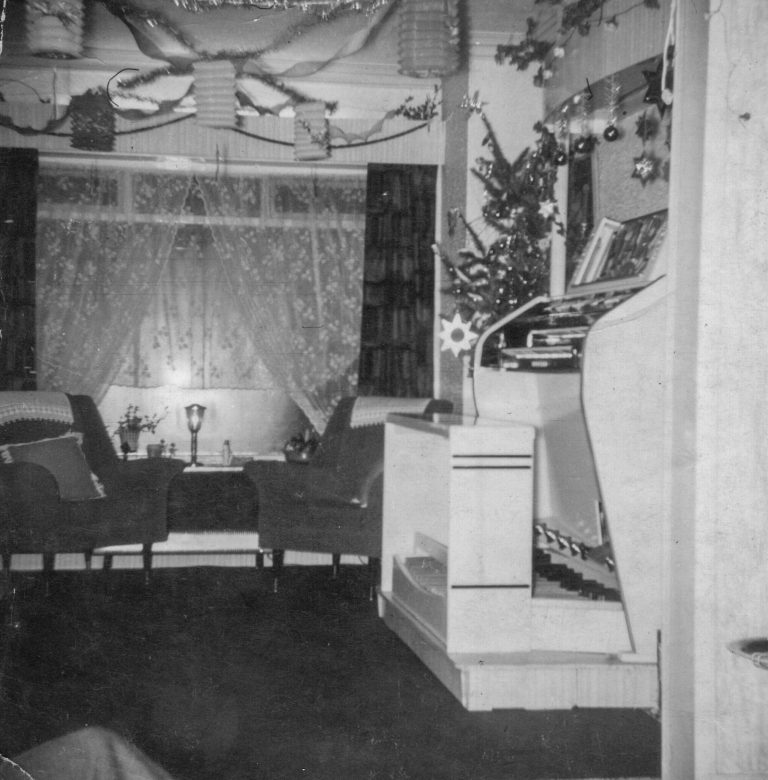
“I have to confess that when I knocked out the chimney breast-to make more space-I installed the organ console in its place! This gave me the opportunity of placing two concealed spot lights above which add a dash of glamour to the layout. The wall panel at the rear is also illuminated by coloured lighting.”
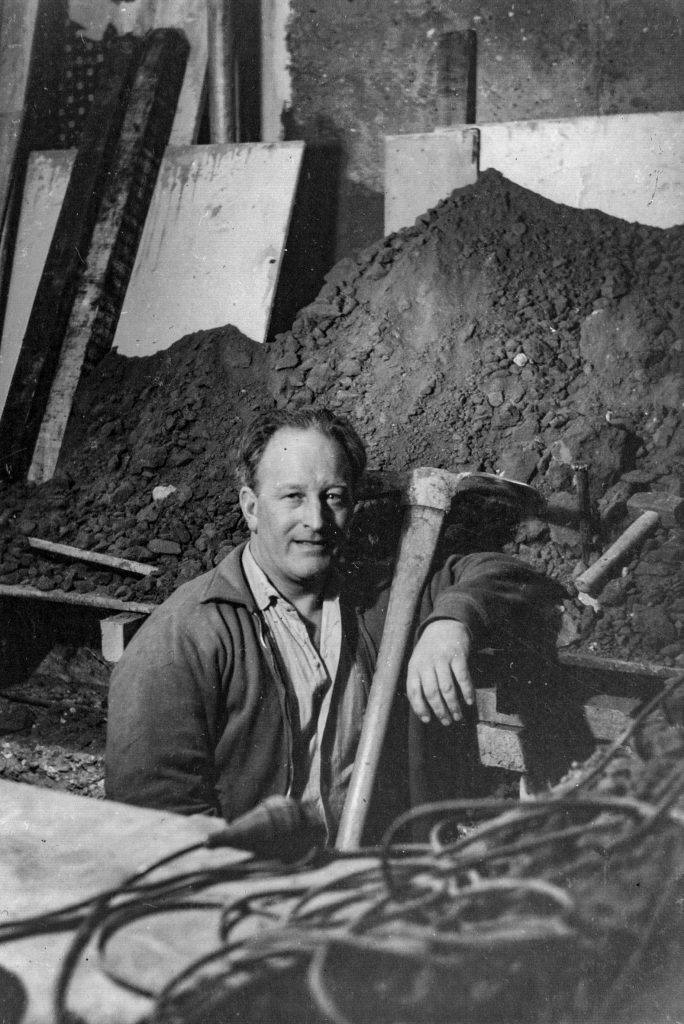
The Pit
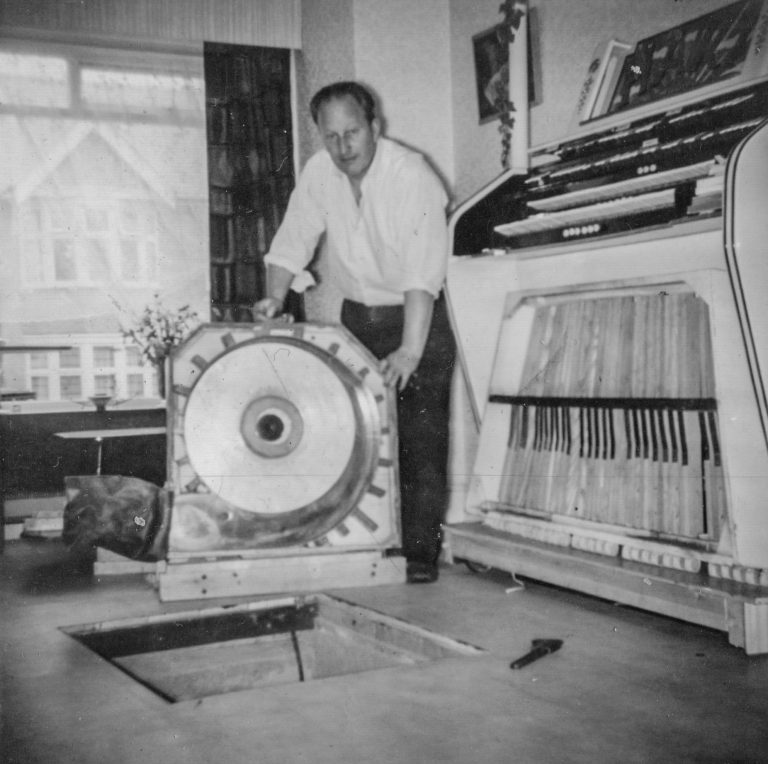
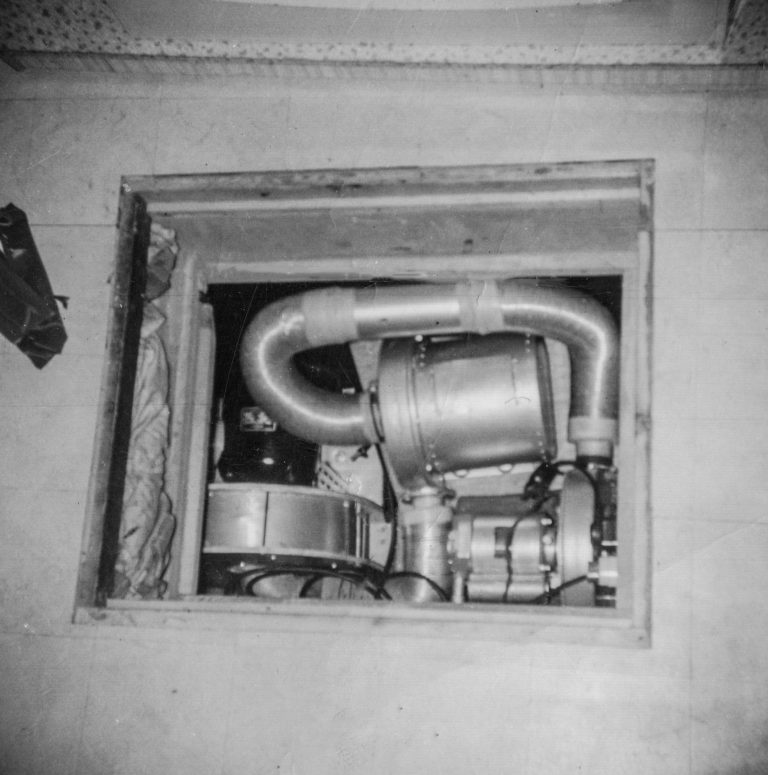
“While convincing my wife that the drawing-room floor needed attention I.craftily dug a pit six feet deep underneath in which to install the blower and a forty amp rectifier for the organ”

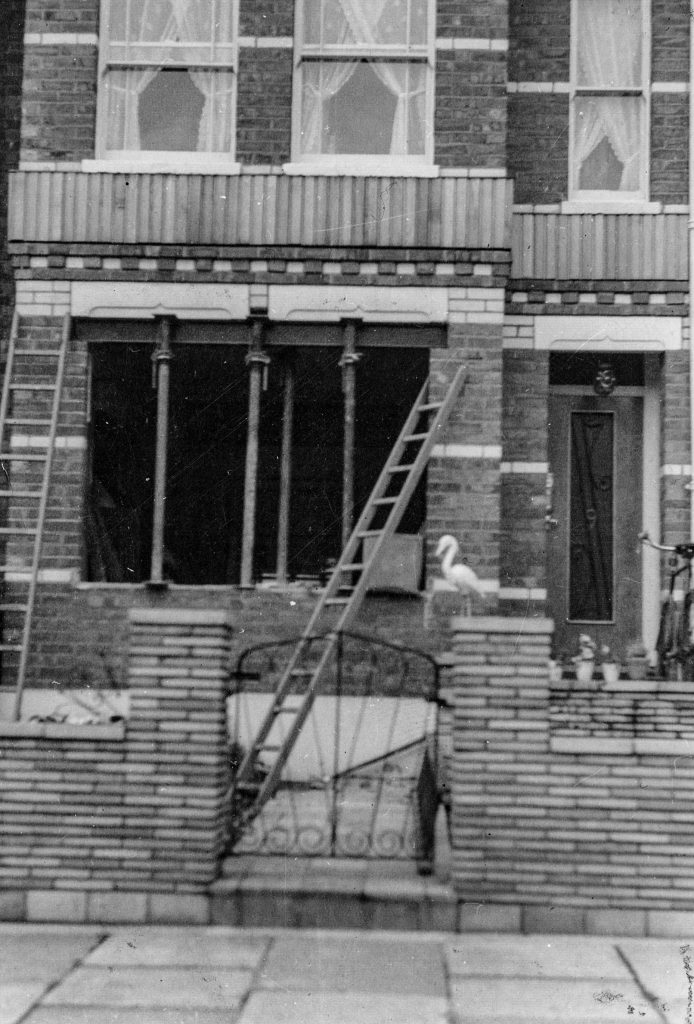
Window
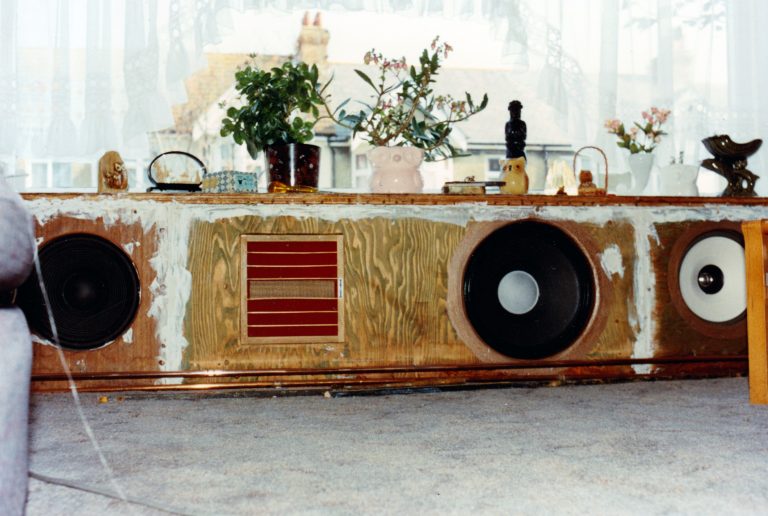
“My wife was overjoyed with the large picture window which I fitted in place of the former sash windows, but I spent more time on the three loudspeaker enclosures hidden below the generous windowsill.”
Wall
“The next big job that I tackled was one which really paid-off, although I must confess it did give me more than one moment of anxiety. I knocked down the dividing wall between two rooms, and after installing a steel girder I cut a slot in the ceiling close to the wall and then made what I can only describe as a cinema “Safety Curtain”. At the push of a button this timber, hardboard and steel wall section is raised out of sight into the room above by an electric motor. A false wall in the bedroom hides this however, along with the chunks of railway line which I fitted as counter weights. The idea works very well and my wife now calls this place the “James Bond house”


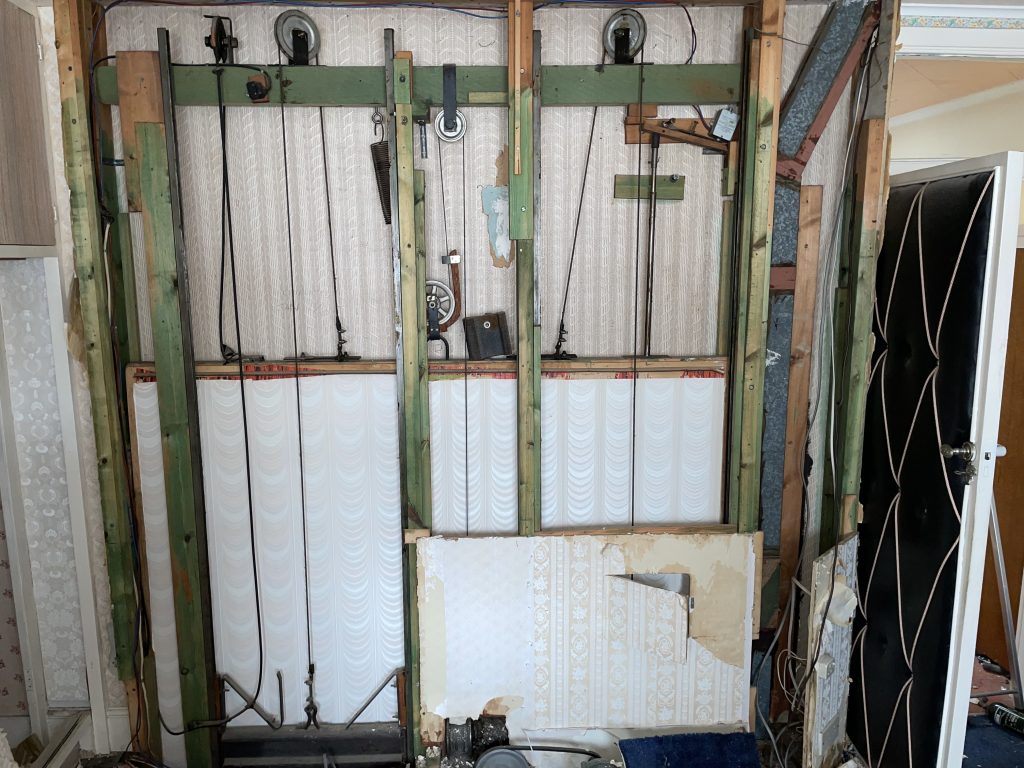
56 years after its construction and it still worked despite being stationary for many years!

Chamber
“When I started five years ago there wasn’t even a floorboard up there, but I covered three-quarters of the floor space and screwed each board in place, as nailing would have played havoc with the plaster ceilings. The chamber is only 8-ft. 6-in. square with 6-ft. 11-in. headroom at the highest point. The ceiling is packed with 2-in. thick blocks of “Jablite” heat insulation and covered with timber. The walls are also of timber, and filled with a 2-in. filling of sawdust.”
Blower
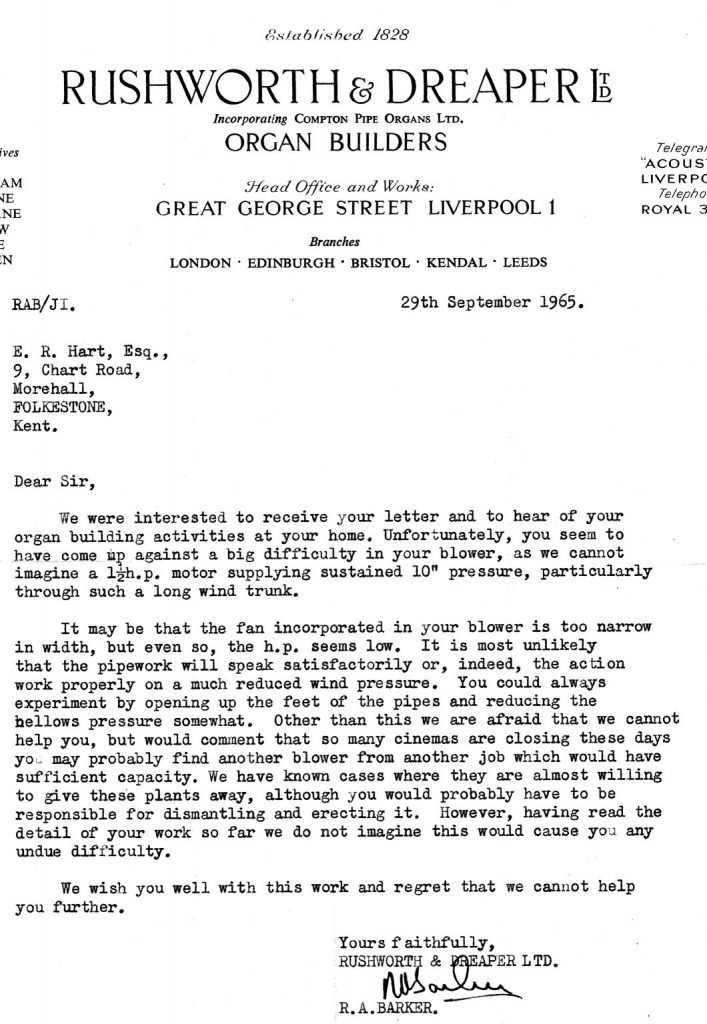
“The blower is homemade, and with a twelve-bladed impeller of twenty-inch diameter it produces upwards of 11-in. w.g. I will have to spend more time, however, experimenting to overcome noise, and furthermore, the load is too great for the one horsepower motor when run for more than ten minutes. I have written to several of the large blower firms for information regarding impeller size and design, but of course-this is a closed shop, so I am having to find out these things the hard way”

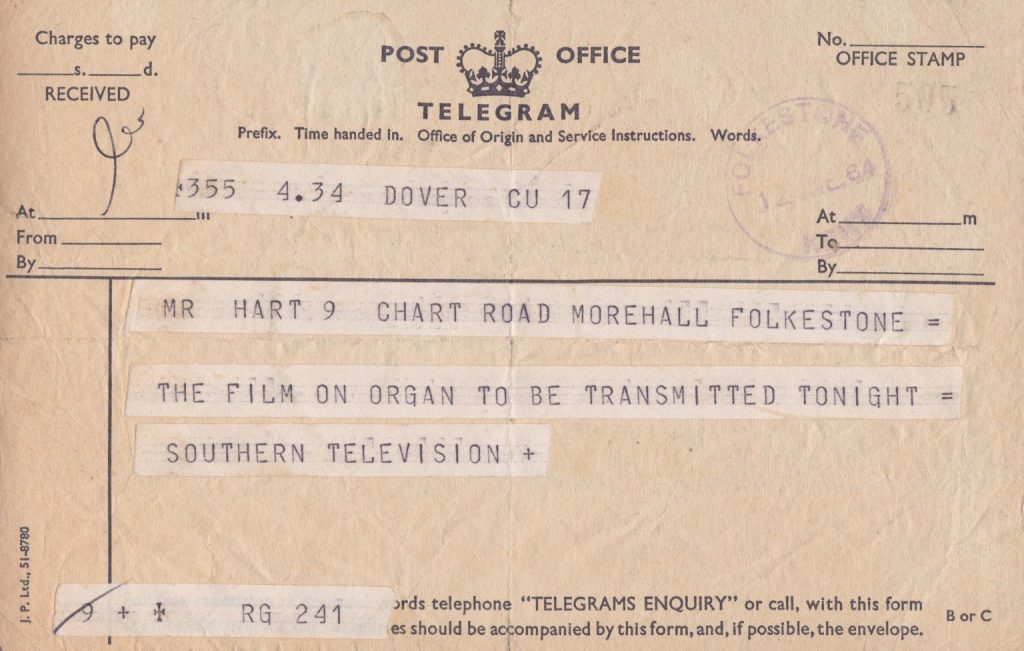
There were of course no video recorders in December 1964 when Southern TV broadcast this, but thankfully an off-air audio recording was made by Ricky. The recording includes both Ricky and Yvonne talking about the organ.
Version – v2.0
1967-2021
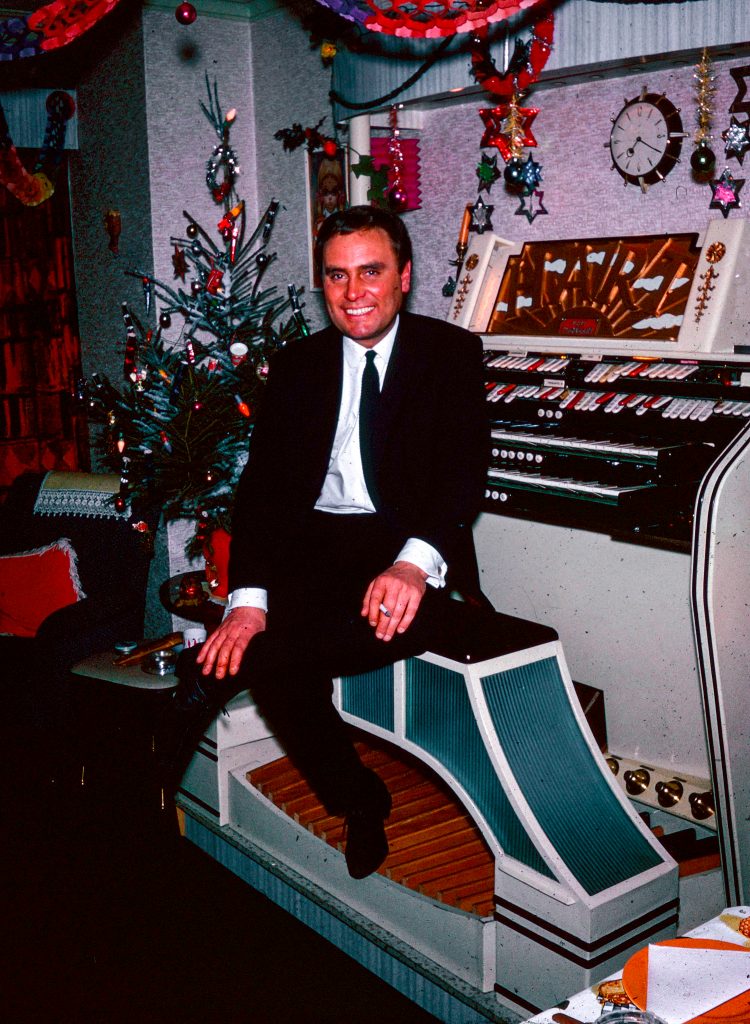
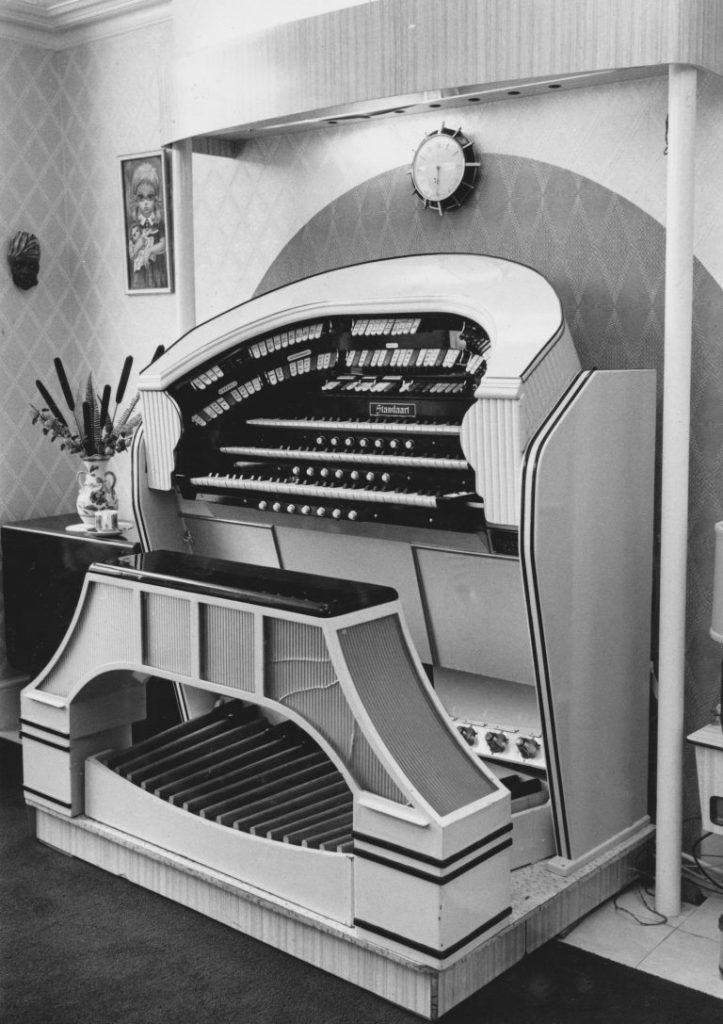
This incarnation of the organ was completed in November 1967 and saw 3 manuals and a traditional horseshoe for the stop tabs instead of the previous straight arrangement.
These alterations were made possible by Paul Gladson who was an American living in Folkestone. He had acquired the console from the cinema after offering a higher amount to the current building owners. He had to return to the US and thankfully invited Ricky to reunite the console with the rest of the organ.
Sadly the Standaart console was not in good condition and has been altered several times during its life in the cinema, this meant very little of the original console was salvageable. Only the two keyboards, original stop sweep, piston pneumatic relay and the effects toe board survived.
Click for a full technical specification of this Organ
Diary
Ricky kept a diary detailing all he did from about 1967 onwards, so here are some extracts (Mostly shorthand) detailing the important parts of the instruments progression.
July 1968: Electric action made up to operate the 20 chimes. W.D solenoids used after suitable modification. Relays made in order to handle the heavy current. Further relays made up for operating the accompaniment traps some from manual and others from both manual and toe pistons.
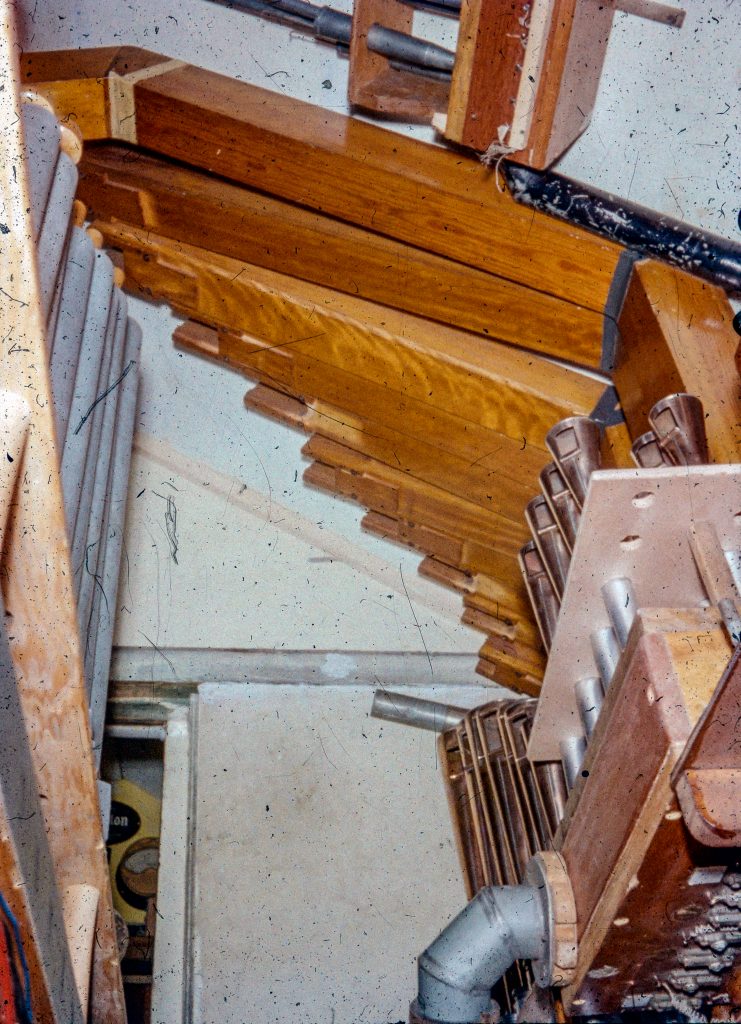
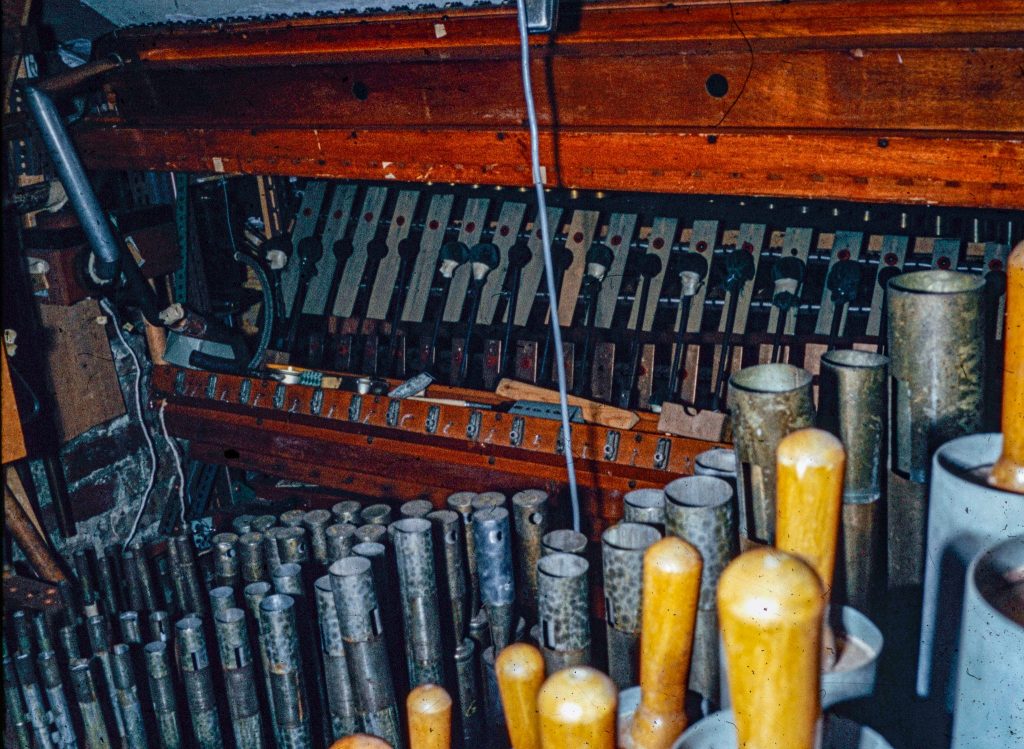
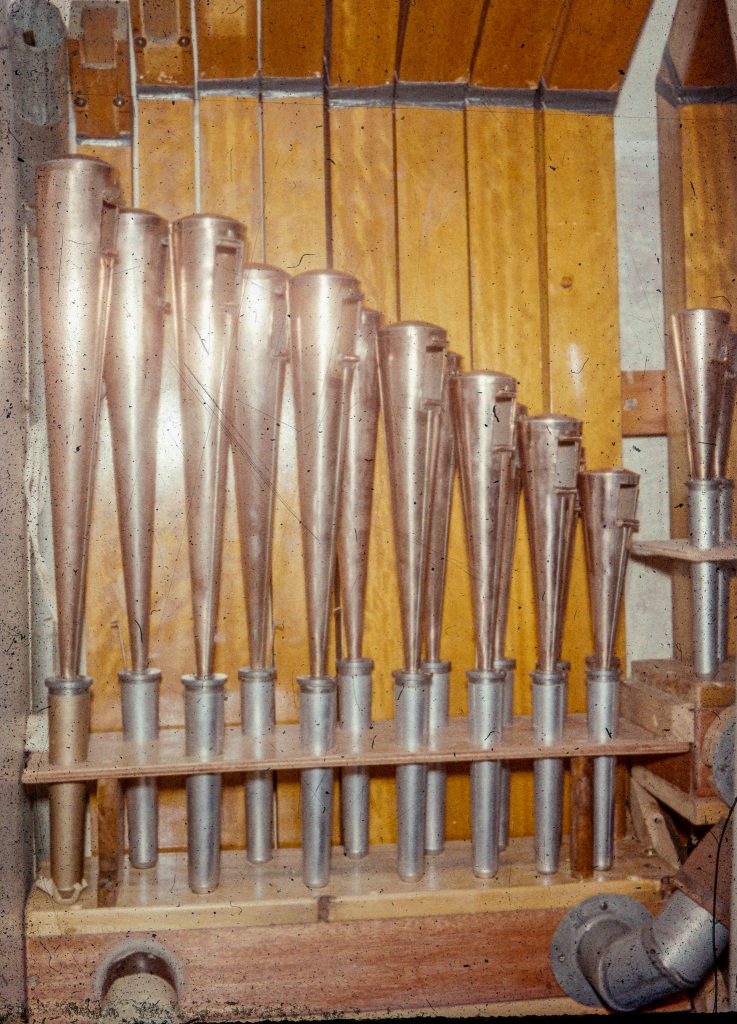
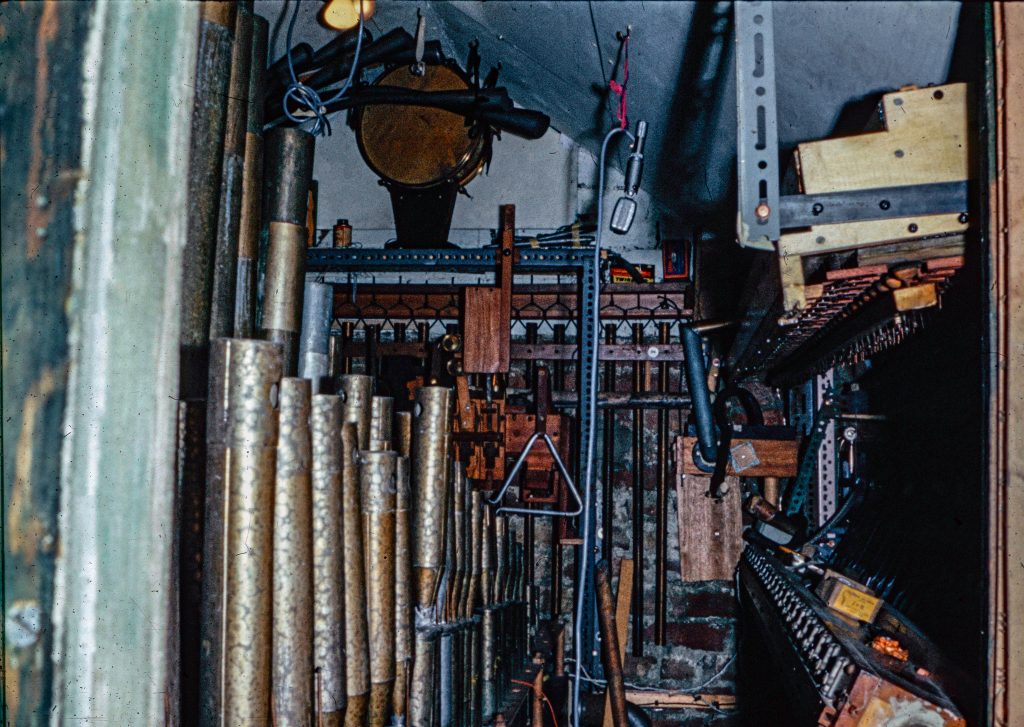
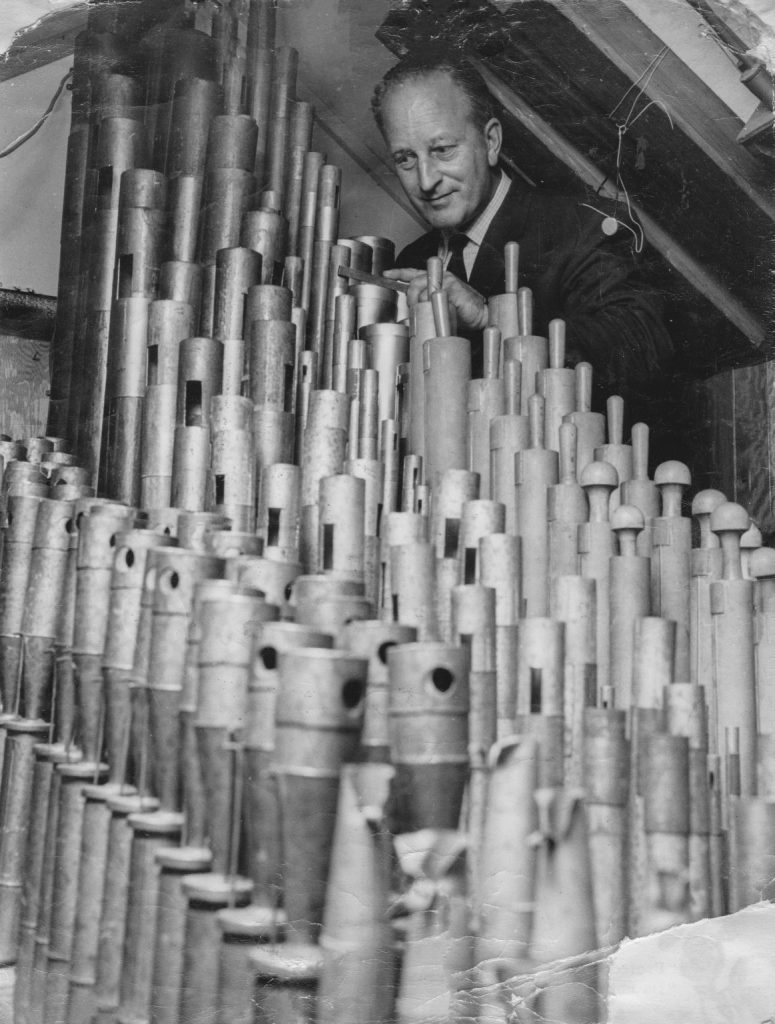
August 1968: Answer received regarding rank of Krummet pipes and relay box. Advert turned out to be GC Barlow, Everest works, Greenfield Avenue, Hornchurch. He suggested swapping the Krummet for my rank of Saxophones and further swap for my spare Snare Drum (ex- Compton Pleasure Gardens) and Xylophone for setter board and main cable. The latter two items required by me for setting up of 3rd manual. A further deal agreed for relay box of 27 bars to be collected from Hornchurch works when available (at present the pipes are in the West Country)
31st August 1968: Travelled up to Hornchurch with Standaart Saxophone pipes, Snare Drum and Xylophone. Collected 12 low pressure stopped flutes (wood Pipes), 30-ft of main cable and the great relay box. The latter came from the 3-8 Compton from the Gaumont Chadwell Heath factory job number A234 22nd of March 1934.
2nd April 1969: Have now decided to remove Vox Humana from it’s installed sound board in order to increase pressure to that section for the Krummet (at least 10 in). Now re-housing the Vox will have to be accomplished by placing on odd lengths of soundboard here and there.
September 1969: Design worked out for music stand based on the design of the Compton from the capitol Cinema Aberdeen.
15th October 1969: Brian tonight gilding the music stand. Glass from the bench has been removed and fresh is now being cut and sandblasted. Last remaining chest bought home and cut in half to provide a home for 37 Vox pipes.
8th November 1969: 8ft octave of Gamba pipes removed to make room for 37 note chest for Vox Humana (just reconditioned) along with part of Standaart chest. A reluctant step with the only one which would make it possible to install the Krummet rank. This now means that the Compton Viol rank ends at 4-ft C but it is hoped to find a spot for a few of the 8-ft Gamba pipes perhaps down to GG. The 8-ft octave of the Flute should soon be installed on the end of the existing flute chest.
25th November 1969: Small chest of 14 salicional pipes placed adjacent to Vox trebles (on wall) taking the salicional rank up from A3 to A#4. Several pipes are missing in the following octave which will make it impossible to complete the full rank and the above mentioned will need careful attention before such is satisfactory.
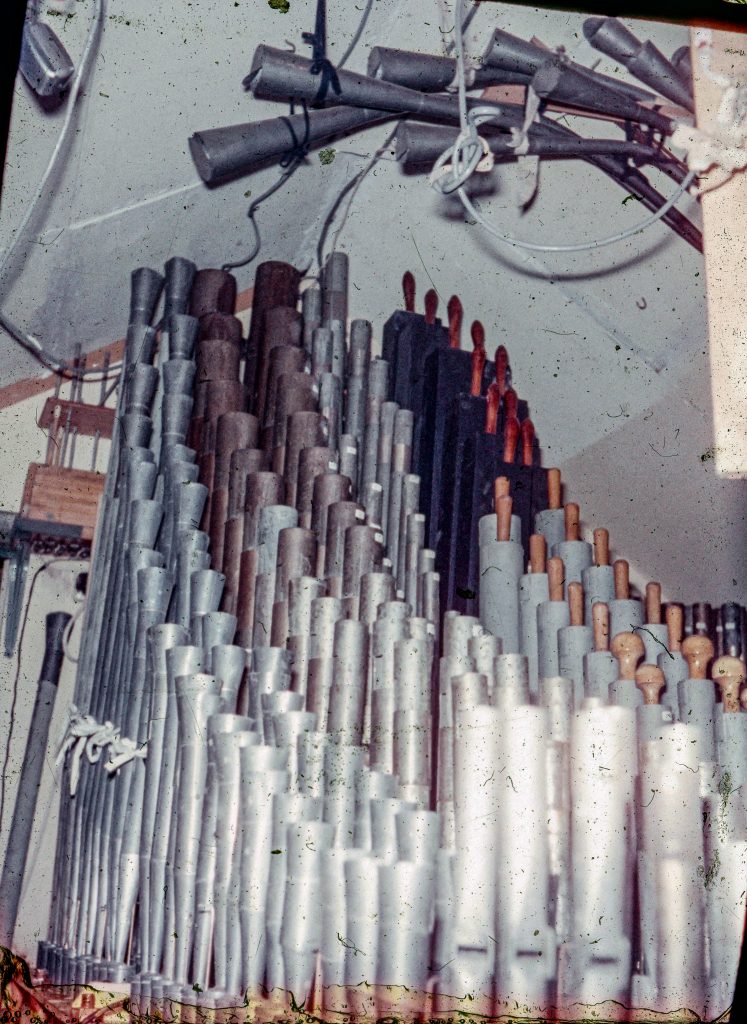

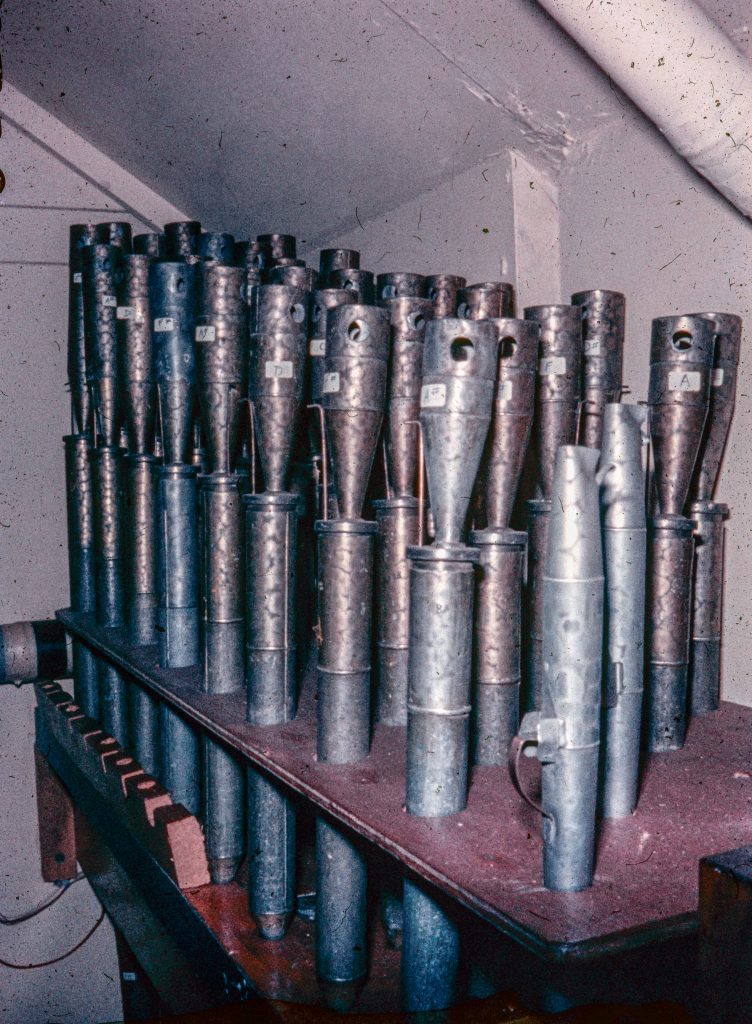
30th November 1969: Most of the day spent in the organ chamber. The Gamba 8-ft chest cut up to provide an 8 note chest to fit in front of the Vox chest and will house whatever is practical space-wise. The two bottom positions of this chest have been made into a separate chest and fitted it with the CC & CC# flute bass which are now secured horizontally beneath the tibia chest.
February 1972: Post office style telephone relays used to set up a system for covering the bottom end gaps on the manual caused by the absence of 16-ft pipes and in some cases 8-ft. This is to be achieved by borrowing from the electronic pedal stops.
April 23rd 1974: Visited by Bobby Pagan who soon acquainted himself with the Standaart.
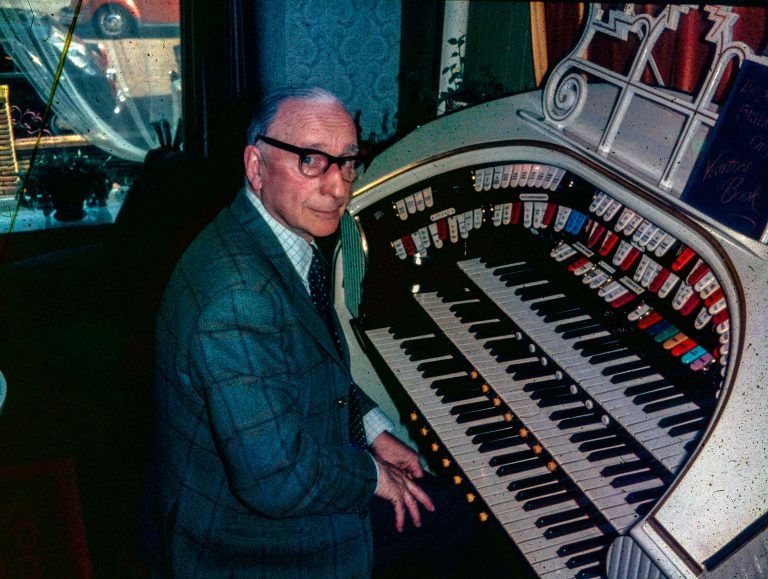
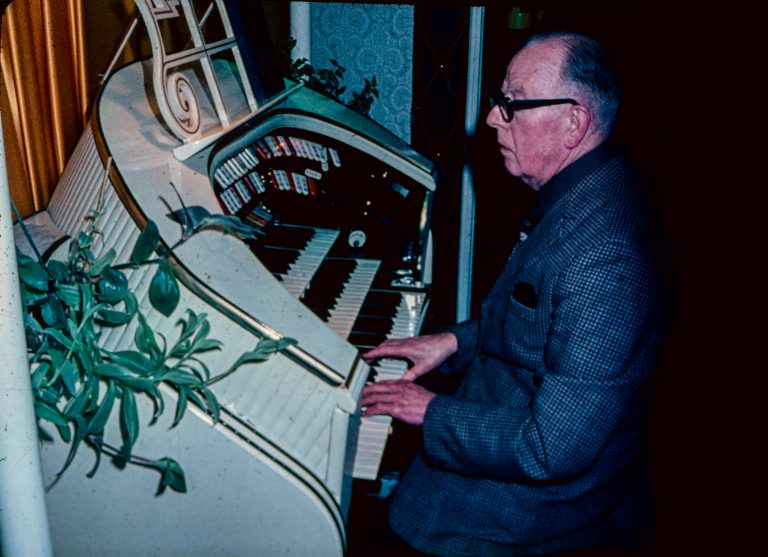
August 1st 1976: Standaart visited by John Howlett renowned organist formerly of the Odeon theatre Leicester Square London. Fine use made of 2nd touch on accompaniment manual producing a counter melody.
December 12th 1976: Modified chest fitted in organ chamber to house 2-ft octave of tibia salvaged from ODEON Compton and wired to the distribution board.
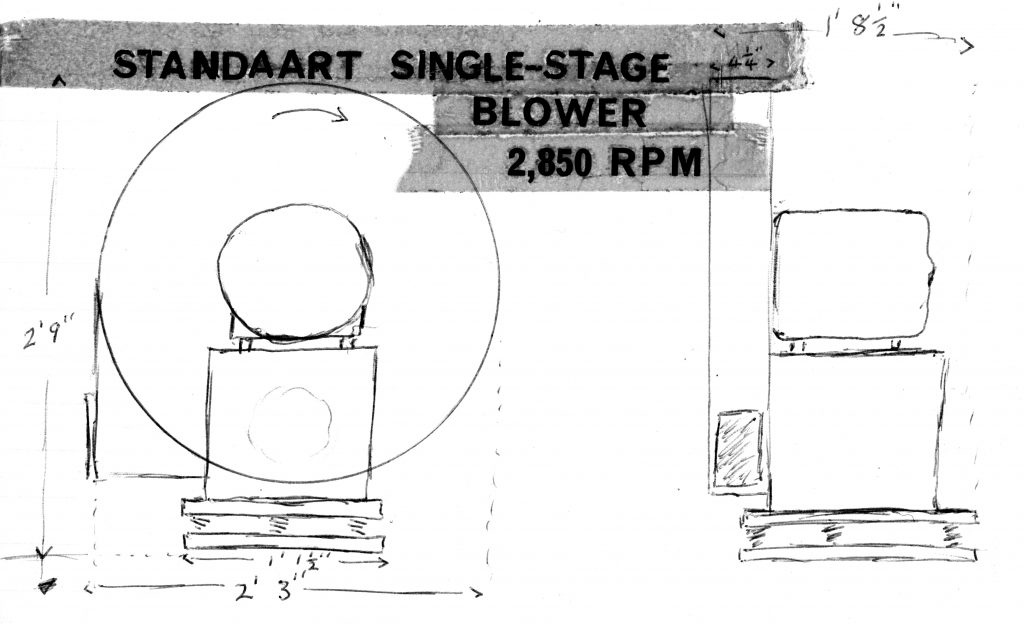
October 8th 1978: Visited old Savoy Cinema and removed organ blower from it’s resting place above the stage (permission granted and no charge made) identical type of blower fitted to the Standaart organ in Leeuwarden.
February 5th 1979: Site now chosen for new blower installation now to be mounted alongside boiler and hot water storage tank in large cupboard at top of stairway.


April 1st 1979: Built a regulator of my own design for use with the Vox Humana. Folding bellows of a conventional nature for easier method of construction.
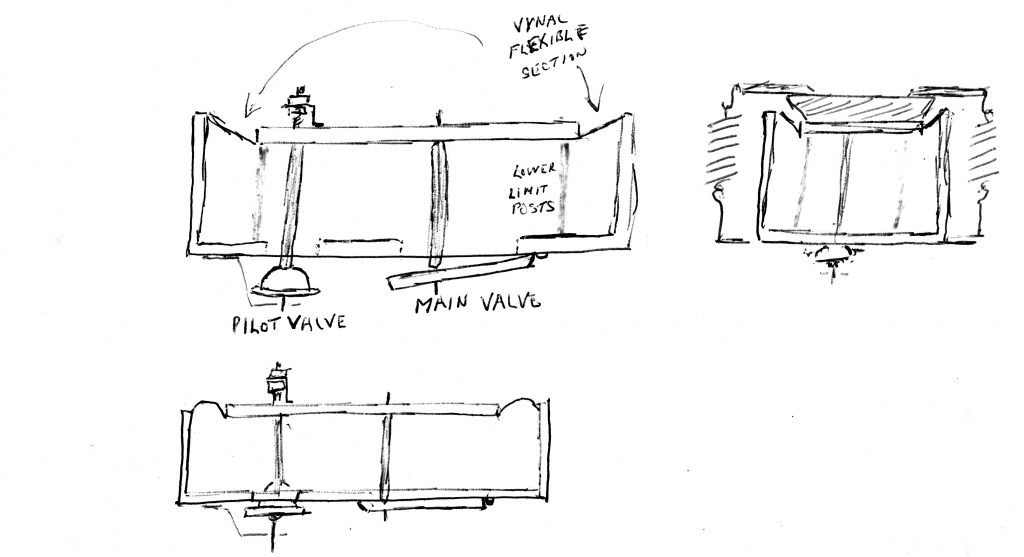
June 28th 1980: Received the second of two letters from Ray Booth of Branksome in Mansfield Nottingham. He advertised a Compton wooden tibia rank for sale and sort a Krummet or muted trumpet. He showed great interest in my Krummet rank and two of my redundant blowers from 1965. There is a possibility that he will travel down with transport to carry out the swap – Not the tibia rank but a Vox Humana. I understand that the new one is a pretty good example of Compton craftsmanship of the mid-20s and of small-scale. this should suit the tibia better.
September 11th 1980: Ray and Vera Booth arrived from Mansfield together with Roxy and 73 Vox Humana pipes and a rank of Viole pipes. Noted that the Standaart Vox is of sturdy construction and larger scale. Tongues constructed of heavier gauge brass although only 6 inches WG pressure required to drive them. The new Compton pipework comes from Rays home installation, the Branksome Compton which was formerly in the Regal Cinema Handsworth Birmingham (job number A22)
September 14th 1980: Ray and Vera leave for home with the Krummet rank and a 1.6 hp blower for his instrument. Compton Vox hurriedly fitted into chest for trial run. Alterations will have to be made to the pipe holes at the treble end of its rack for the Compton rank extends further up the scale with reeds than it’s predecessor. Instead of using both the Standaart and Compton Voxs it would be more advantageous to use the chest vacated by the Krummet for the Viole rank. This should serve well as a Celeste rank with the Violoncello. Just how many of the bass viol pipes will be able to be accommodated remains to be seen!
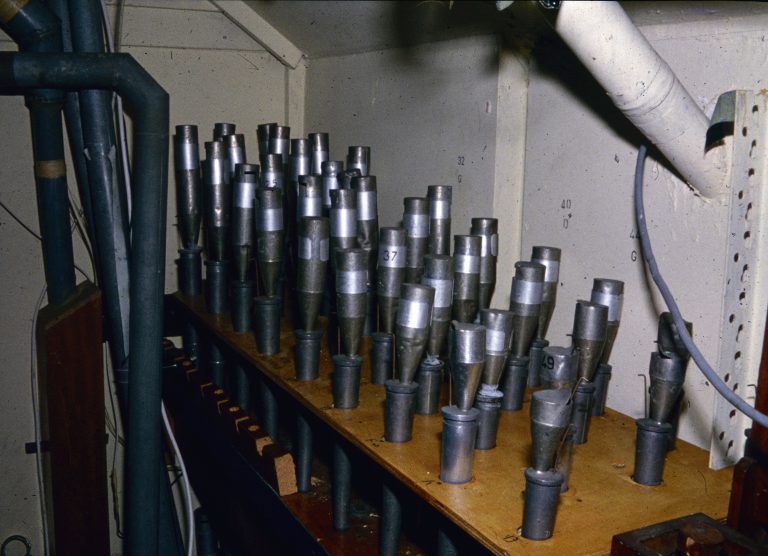
October 26th 1980: Last to Viol bass pipes of the 8-ft end mitred and fitted CC and CC#.
December 13th 1981: Purchased a piano accordion second-hand with a view to installing it into the organ. 41 notes on keyboard from F to A with coupler. Accordion could have been placed on a stand beside the console but for space reasons it’s to be installed in the organ chamber. There are three banks of reeds which can be removed from interior of the accordion and placed on a chest to be constructed.
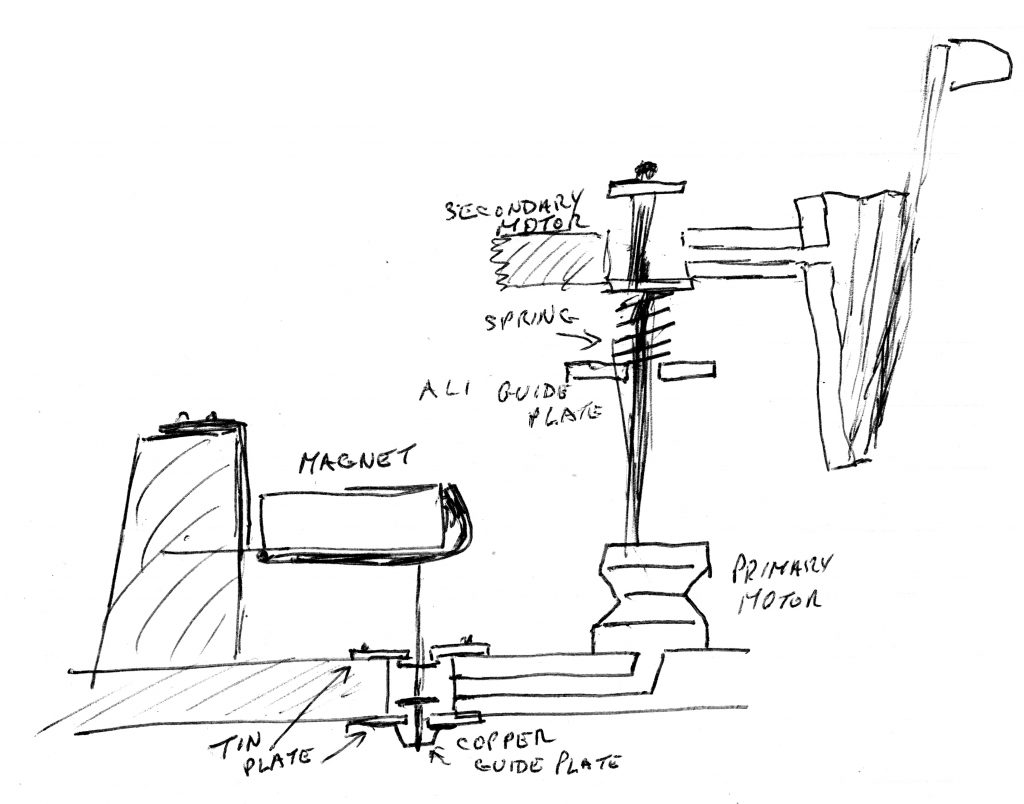
September 1984: The solenoids which operate the chimes on a purely electric action have not been 100% successful and now have been removed. A new chest has been constructed using strong hardwood recently removed from the front garden fence cleaned up as new. 20 pouches to drive the mallets made with rubberized material from REME, Ashford and 1/8 in brass rods used for the studding to operate the air valves.
August 1989: Baptist church in Rendezvous Street visited during its conversion into a shopping centre for I heard the pipe organ was still in situ.
September 1989: further telephone conversation with new Baptist church owners revealed that the pipes will be staying when they are at present. The part rank of Standaart Salicionals removed and the space will be used for the base end of the oboe if I can acquire the 8-foot octave.
March 22nd 1991: Called at portfolio House Hythe to see the managing director of the Baptist gallery conversion. After showing them the photographs of the Standaarts progress over the years they seemed impressed and gave me permission for recovering the Oboe pipes as soon as I like!!! (having waited since September 1989 )
March 25th 1991: Spend the morning at the Baptist Church galleries extracting the oboe rank from the swell box. The Cornopean rank was a fine example of a big reed and quite the temptation but would be too powerful for our roof installation! The oboe extends in pitch right down to the 8-ft CC which is one octave lower than the previous oboe installed here, but at the treble end the pipes only run to A and not to C, so 3 more trebles will have to be found to rectify this. The fate of the remainder of the instrument at the former Baptist church now looks bleak for there is evidence of some vandalism and with the remains of the console dumped formally in the blower room it’s prospects are slim.
April 15th 1991: Revisited the old Baptist Church and removed for safekeeping some of the Cornopean pipes from tenor G to the top.
June 24th 1991: MIDI interface now working satisfactory after several breakdowns. After much deliberation as to where the six octave Casio piano would be sited it has been decided to house it in the organ chamber coupled with a bold decision to dismantle the Standaart vibraphone in order to make room. The two banks of 21 notes plus the mallets and action chest once removed have made considerable space making the glockenspiel unit easier to reach.
July 19th 1991: Revisited the Baptist galleries yet again to collect 7 more Cornopean pipes taking my acquisition down to 4-ft C. It is now proposed to construct a small chest to accommodate these on the floor of the Chamber and the next 42 pipes will stand on top of the glockenspiel chest in two rows, housed in timber utilised from the form of vibraphone chest. Plastic tubes will feed the wind from the two chests now that the motors of the Mallet have been discarded.
April 29th 1992: Made a visit to the Baptist galleries after having written to the London receivers for permission to remove the Rohr Flute from the derelict church organ, the idea being to improve the bass octave of the flute.
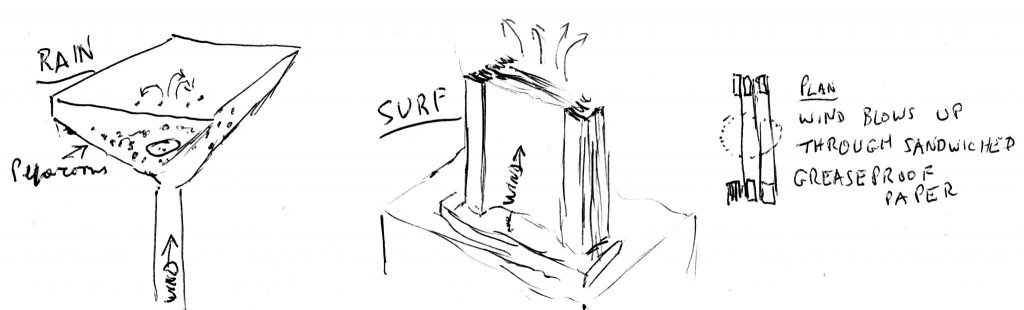
August 12th 1992: In the shed experimenting with the manufacture of a surf effect. This took the form of a square metal funnel sealed across the top with greaseproof paper and a quantity of peppercorns inside for the purpose of bombarding the stretched paper under wind pressure. On test this sounded more like a rain effect and may be retained for this purpose. Mark II followed and this took the form of 3 sheets of greaseproof paper sandwich with spaces to allow the wind to rush up between them. Initial tests are promising.
November 9th 1996: The oboe previously was little used as it sounded only like a quieter version of the Cornopean. Today I started removing them from the chamber.
December 15th 1997: Revisited the Old rendezvous Baptist church and retrieved the 8-ft bass octave of the Cornopean rank which is hoped will replace the bass oboe pipes at present in use here. NB the former church is currently being converted to an upmarket pub after having failed as a shopping arcade.
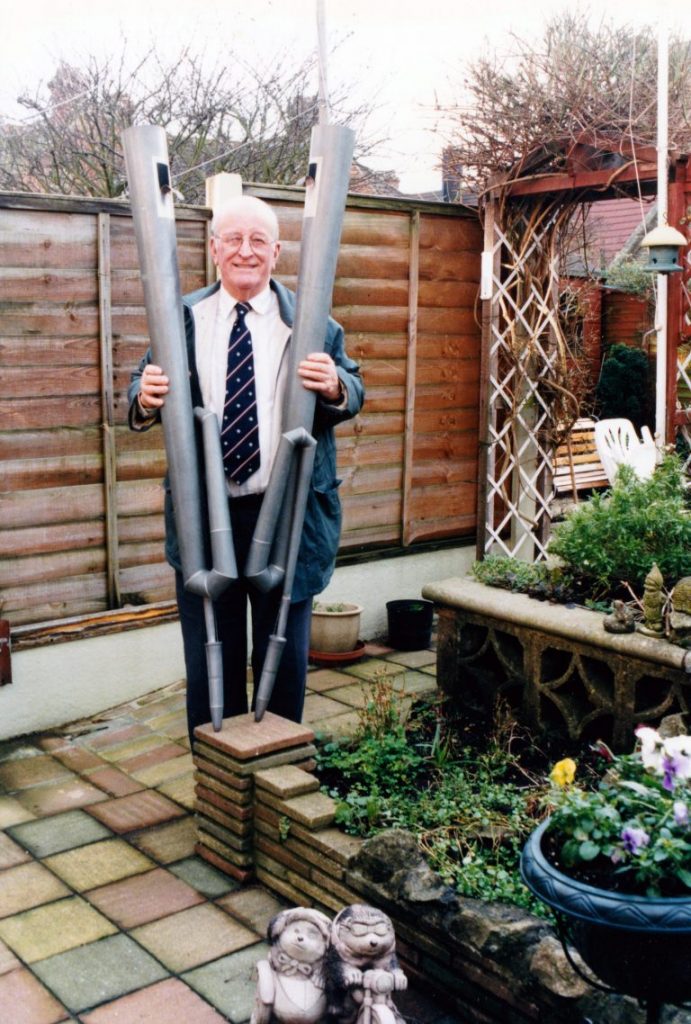
Who was Ricky Hart?
Written by Brian Hart
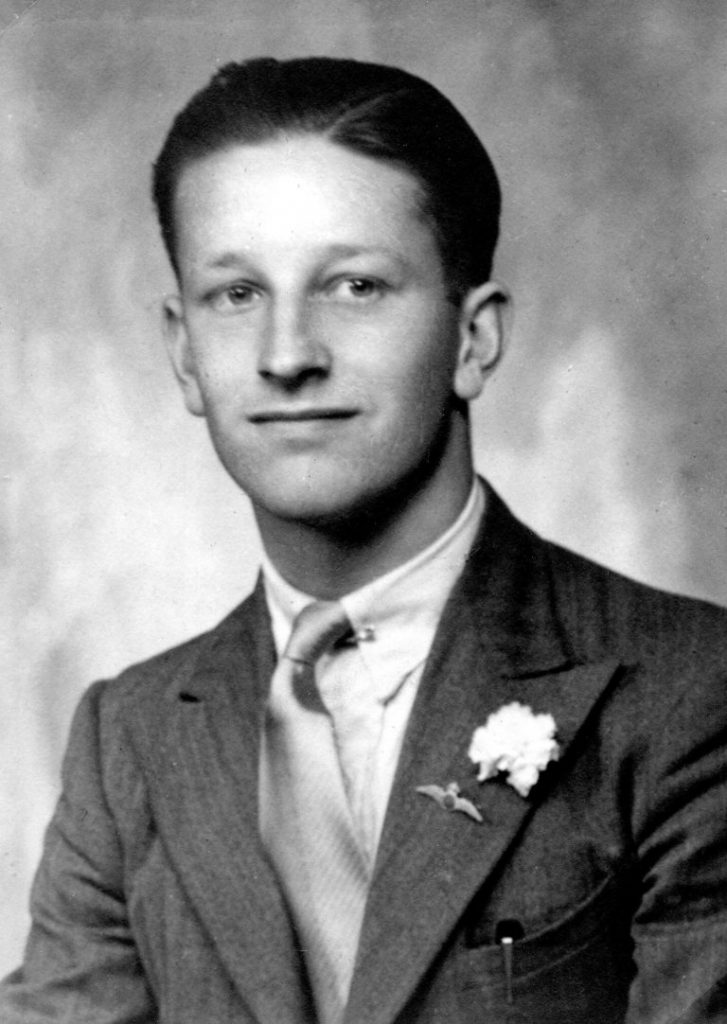
Eric was born at 22 Garden Road, Folkestone on Sunday 22nd March 1925 to Alice and Edmund Hart and with his older sister Doris, young ‘Ricky’ enjoyed a happy childhood.
Leaving school at 14, a brief spell as baker’s delivery boy, preceded the outbreak of WW2 with him driving tractors on ‘War Work’ and diving for cover when RAF Hawkinge was machine-gunned by the marauding Luftwaffe. Joining the Shorncliffe Platoon Home Guard, he patrolled the bombarded Folkestone coastline until reaching 18 in 1943 when he joined the RAF as Radio Wireless Operator with 101 Squadron. Ricky’s boyhood love of cinema organs endured, so when on leave he played (by ear) impromptu dance concerts on Folkestone’s Odeon Compton for appreciative couples.
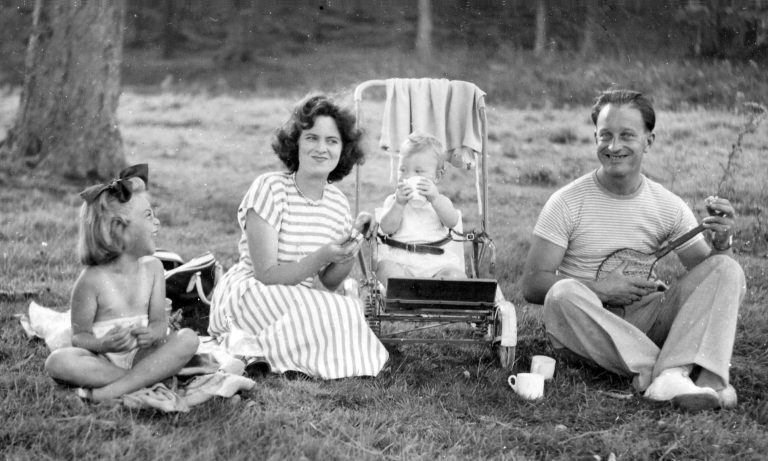
Having met Yvonne, his future wife, he left the RAF and took employment with Folkestone motor firm Martin Walter for the next 25 years, raising two children, Marion and Brian. The rented terraced home in Chart Road was eventually purchased in the early 1960s, enabling Ricky to employ his considerable DIY skills – and indulge his passion of building his own organ. His knowledge of electronics was formidable whereupon first came the small hand-built ‘Organette’, followed by the larger ‘HART’ model which won him a ‘Special Award’ at a Hobbies Exhibition in 1963.
Previously the family had enjoyed some Dormobile holidays, courtesy of his employers, including a trip to the Lake District and calling in at the Blackpool Tower where the ever-affable Reginald Dixon showed them over the famous organ and invited Ricky to “have a go”.
With four dormant cinema organs in Folkestone literally being scrapped, Ricky began a massive rescue exercise, salvaging whatever he could from going to ‘Ginger’ Baker’s metal scrap yard. Often with Yvonne’s help, wooden pipes, relay cabinets etc, would be dragged away from blazing bonfires.
Having been a lorry and van delivery driver for 25 years, the firm ceased this aspect, but the replacement confined factory job at Dormobile ill-suited Ricky whereby his health suffered. However, fortune smiled and in 1973 he joined the Ministry of Defence at Folkestone’s Shorncliffe Camp as Duty Coach Driver, taking personnel to all parts of the UK and where he remained until retirement in 1990.
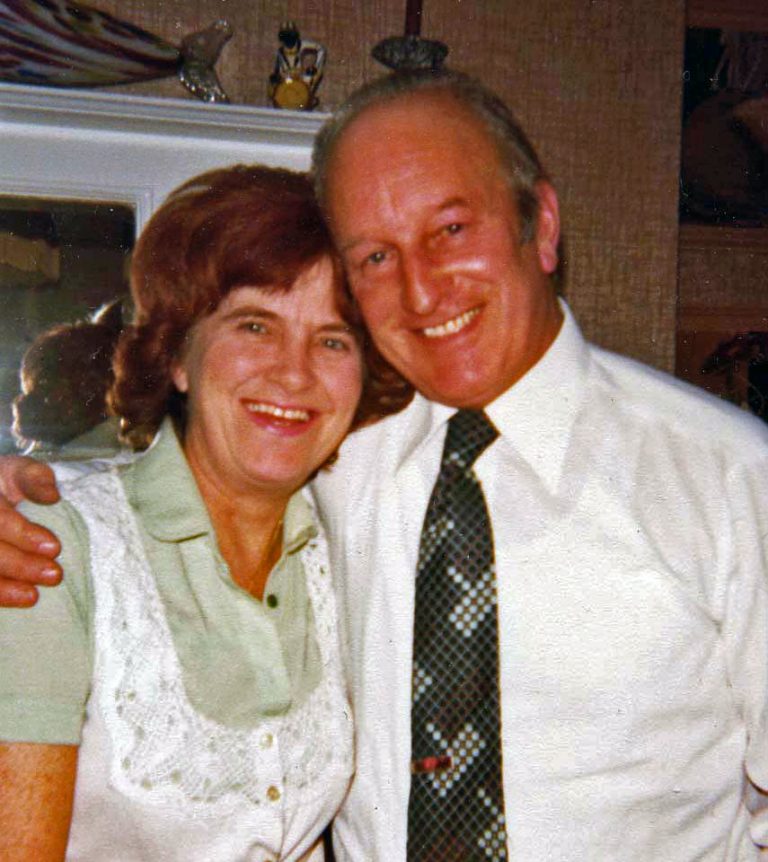
With Marion and Brian grown up, Ricky and Yvonne had the house (incidentally, named Celeste) to themselves from 1976, whereupon more DIY improvements followed, plus numerous additions to the (by now) rescued Savoy Standaart organ. Family holidays, gatherings, parties, charity events (with organ) all followed. Rarely was 9 Chart Road ever quiet as relations, friends, visitors, well-known organists – all came to enjoy the hospitality and unfailing warm welcome of this much-loved and devoted couple who celebrated many wedding anniversaries. Even TVS came to record ‘The Mighty Standaart’ for one of their series.
Always smiling and never bad-tempered, Ricky unfailingly had a quip or joke to share, even when his health began to fade in his latter months. He died on 7th December 2009 aged 84, but as he always said “The melody lingers on….”
Two TV appearances by the Hart’s can be watched below